Analysis / Generates audio with AI
Synthetic voice: what the law asks of software that speaks in a human voice
The law library holds 93 laws in force or not yet in force written for the activity Generates audio with AI, in 64 jurisdictions. Counted apart: 2 laws blocked by a court and 12 proposals.
This page is a research summary of the law library, read on . It is not legal advice, and it says nothing about whether a product meets any of these laws.
-
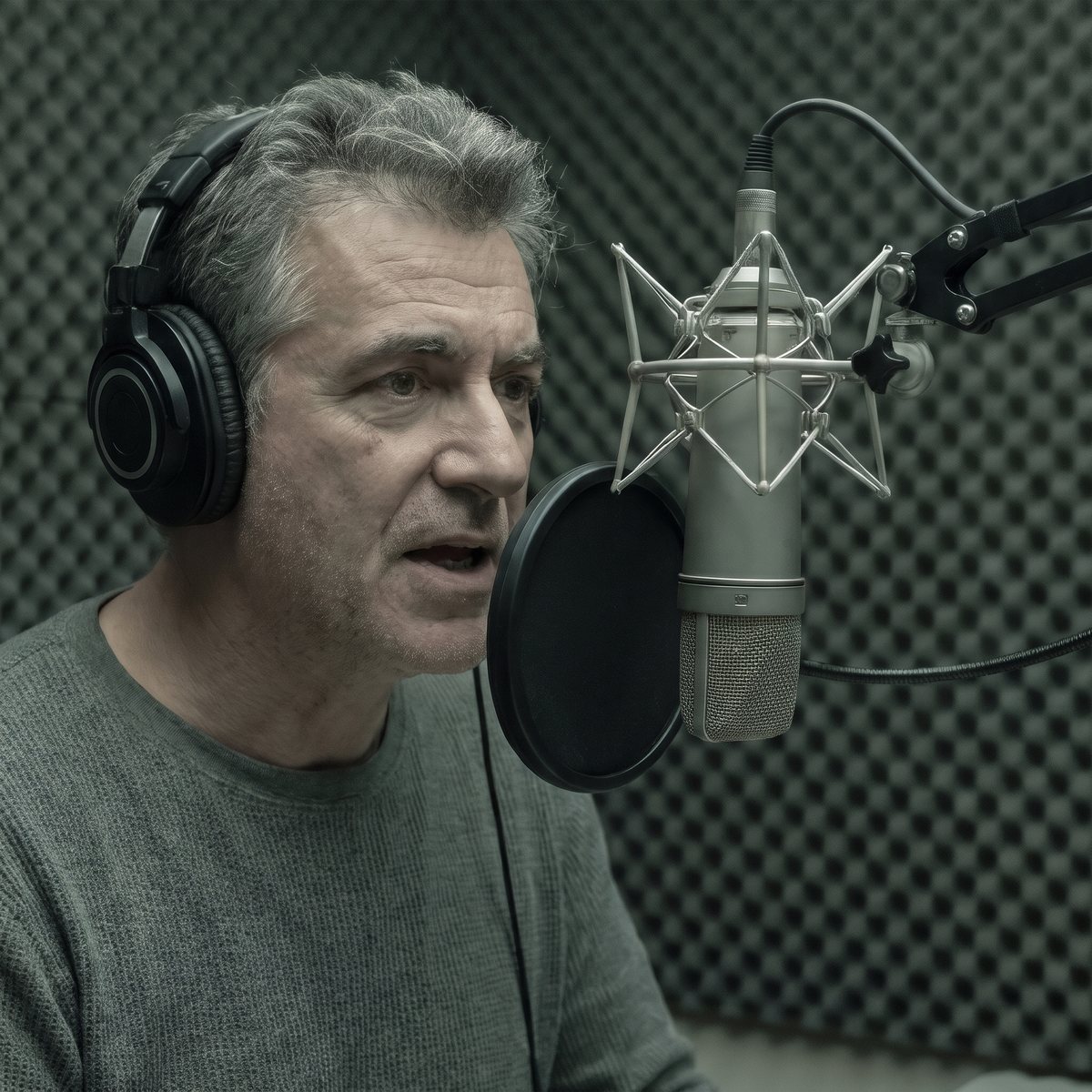
What people didA person spoke every word you heard. -

What the software doesSoftware speaks typed text in a voice that sounds human, or like someone in particular. -
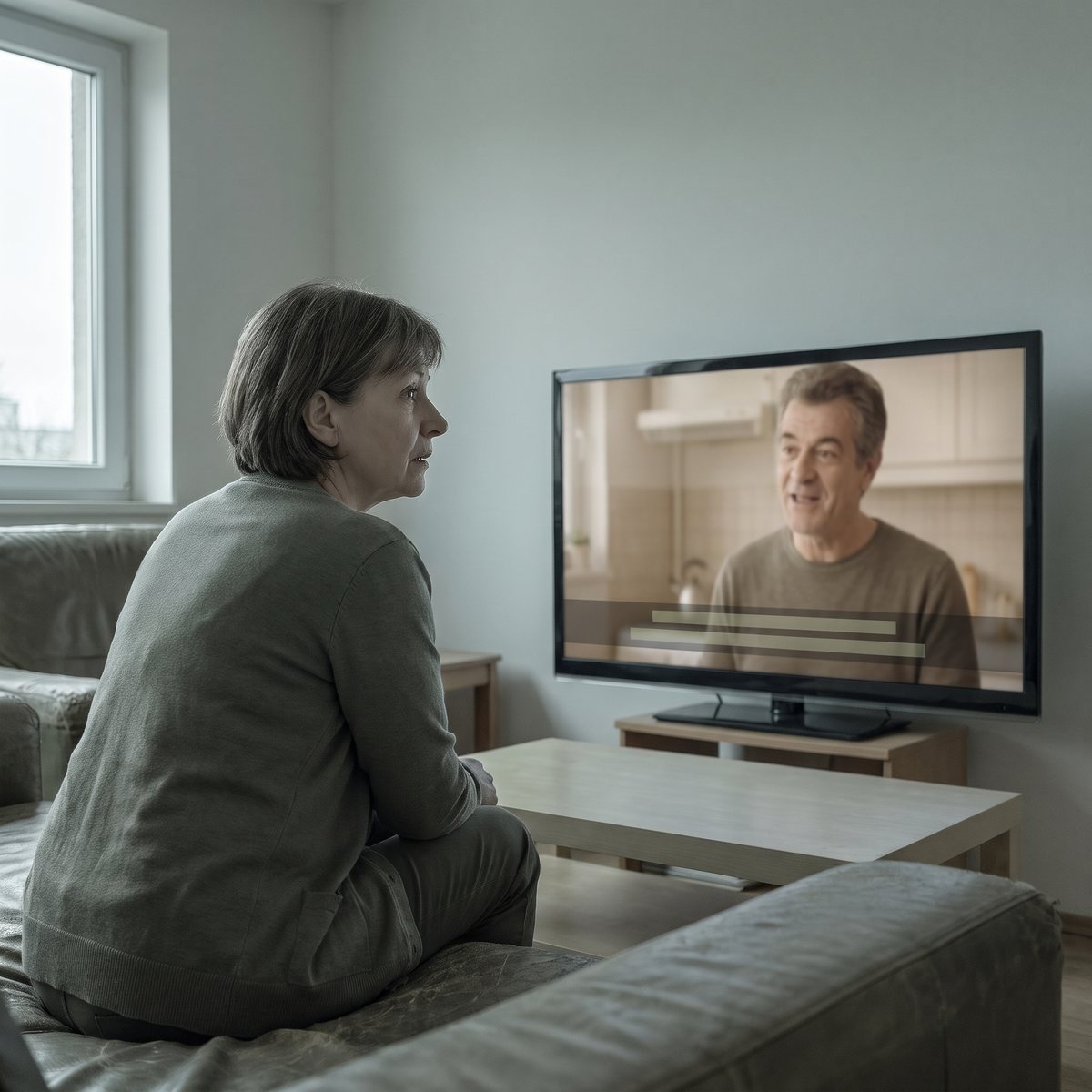
What the law reachesThe moment that voice reaches a listener who could take it for real.
In plain words
A common aim of these laws is that a listener is not left to take a machine for a person. Where software makes a voice that sounds human, the law library records rules that have the audio marked as machine-made, have the listener told that the speaker is a machine, and ask for a person's permission before their voice is copied. Many of them are written for a particular setting, such as a campaign message, an advertisement or an automated call.
Using a synthetic voice to deceive or defraud someone is a separate matter. Many jurisdictions already treat that as an offense under fraud, impersonation or deepfake law, whatever a labeling rule says. If you think a voice was copied without your say, the section on a right to sue says what the law library has recorded about suing under these laws.
The kinds of rule
Each row is a kind of duty the laws record. A law that records several kinds is counted in each row, so the rows add up to more than the number of laws.
| Kind of rule | In force | Not yet in force | Blocked by a court | Proposals | Jurisdictions | Settings |
|---|---|---|---|---|---|---|
| Banned usesUses of a synthetic voice the law bans outright, such as passing it off as a real person to deceive. | 53 | 4 | 2 | 8 | 46 | Elections Advertising General |
| Labeling machine-made audioMarking audio as machine-made, so a listener can tell it from a recording of a real person. | 34 | 6 | 2 | 5 | 34 | Elections Advertising Calls and messages General |
| Telling the listenerTelling the listener that the voice they are hearing is synthetic, or that the speaker is a machine. | 26 | 3 | 0 | 4 | 23 | Elections Advertising General |
| ConsentGetting a person's permission before their voice is copied or used to make a synthetic voice, and in some settings before they are called by one. | 12 | 3 | 0 | 3 | 13 | Advertising General |
| GovernanceThe policies, roles, records and human oversight a team keeps around a system that produces audio. | 1 | 0 | 0 | 1 | 1 | General |
| Contract termsWhat an agreement with a voice performer or a user must say about how a voice may be copied and reused. | 1 | 0 | 0 | 0 | 1 | General |
| Rights over voice dataA person's rights over the recordings and voice data held about them: to see it, correct it, delete it or object to its use. | 0 | 0 | 0 | 1 | 0 | General |
| Licenses and registrationA license, registration or payment that a maker or a seller of a voice model has to hold. | 0 | 0 | 0 | 1 | 0 | General |
| SecuritySecuring the model, the voice samples and the pipeline against misuse and theft. | 0 | 0 | 0 | 1 | 0 | General |
The law library holds AI law for 146 jurisdictions, and 64 of them have a law written for this activity. For the rest the library records none, which describes what has been read and is not a finding that none exists.
What to disclose, and who owes it
The steps for each way of being involved. Every step rests on a kind of rule below; follow its link to the laws behind it.
If you make the model
- Mark what the model produces as machine-made, in a form software can read, so whoever plays it can pass the label on. Labeling machine-made audio
- Where a law sets a size threshold for who must label, read it in the rows of this group, which carry the thresholds. Labeling machine-made audio
- Get a person's permission before you copy their voice, and keep the record of it. Consent
- Refuse the uses the law bans outright, such as presenting a synthetic voice as a real person to deceive. Banned uses
If your app plays the output to people
- Tell the listener, before or as the audio plays, that the voice is synthetic. Some laws also name the words or the form of the notice. Telling the listener
- Keep the label the model attached, rather than stripping it when you play or re-encode the audio. Labeling machine-made audio
- Check the setting you ship into. Election messages, advertising and automated calls each draw rules of their own, shown as a chip on a row where the law library records one. Telling the listener
- Do not use a voice you have no permission to use, and do not present a synthetic voice as a real person. Banned uses
Every law written for the activity
Grouped by the kind of rule, each group in the order of in force, not yet in force, blocked by a court, then proposed. A row carries the law, where it is from, when it binds and where it is aimed, and opens to the requirement lines the law library holds for it.
Banned uses67 laws
Uses of a synthetic voice the law bans outright, such as passing it off as a real person to deceive.
-
 Penal Code, Child Pornography Including a Virtual or Simulated Minor Angola in force
What it asks
- Do not produce, offer, make available, disseminate, or transmit through an information system any material depicting a real or virtual minor under 18 engaged in sexually explicit conduct, including a synthetic or AI-generated depiction with no real child involved.
- Do not acquire, possess, or facilitate access to such material by any means.
-
 Cyber Security Act, 2026, AI-generated sexual content and CSAM ban Bangladesh since
What it asks
- Do not send, publish, or broadcast, or threaten to send, publish, or broadcast, an image, video, audio-visual clip, or graphic created or edited by artificial intelligence for the purpose of blackmail, sexual harassment, revenge pornography, digital child-sexual-abuse material, or sextortion, or that was obtained or kept for that purpose; a higher penalty applies where the person targeted is a woman or a child under eighteen.
-
 Digital Code of the Republic of Benin, Livre VI, Article 576 (Unauthorised Image or Voice Montage / Synthetic-Media Prohibition) Benin in force
What it asks
- Do not publish on the internet a montage made with a person's words or image without their consent, unless it is evident that it is a montage or this is expressly stated.
-
 TSE Resolution, Prohibition on Electoral Deepfakes Brazil since
What it asks
- Do not use fabricated or manipulated content in electoral advertising to spread notoriously untrue or gravely decontextualized facts capable of harming the balance of the election or the integrity of the electoral process.
- Do not generate or digitally manipulate synthetic audio, video, or combined audio-video content to create, replace, or alter a living, deceased, or fictitious person's image or voice, even with that person's authorization, to harm or benefit a candidacy.
-
Election Finances and Contributions Disclosure Act, Part 6.21, political deepfakes Alberta since
What it asks
- Do not create a deepfake of a political party leader, leadership contestant, Minister, member of the Legislative Assembly, candidate, nomination contestant, the Chief Electoral Officer, the Election Commissioner, an election officer or a person employed or engaged by either office that, if distributed or published by the creator, is likely to mislead electors about the depicted person's speech or conduct.
- Do not distribute or publish such a deepfake with the intent to mislead electors about the depicted person's speech or conduct.
- The prohibition does not apply where the depicted person consented to the creation, distribution or publication of the deepfake.
- When the Election Commissioner issues a written direction, stop creating, distributing or publishing the deepfake and, if the direction so provides, destroy it, by the deadline the direction states.
-
Privacy Act, tort of violation of privacy Manitoba since
What it asks
- Do not substantially, unreasonably and without claim of right violate the privacy of another person; an action can be brought without proof of damage (s. 2).
- Do not conduct auditory or visual surveillance of a person, their home or other residence, or a vehicle, and do not listen to or record a conversation in which the person participates, or their messages, passing over telephone lines, unless you are a lawful party or have lawful authority (s. 3(a)-(b)).
- Do not use a person's name, likeness or voice for advertising, promoting the sale of property or services, or any other purpose of gain without authorization where the person is identified or identifiable and you intend to exploit it (s. 3(c)).
- Do not use a person's letters, diaries or other personal documents without the person's consent or the consent of the person who holds them with that person's consent (s. 3(d)).
-
Privacy Act, tort of violation of privacy Newfoundland and Labrador in force
What it asks
- Do not wilfully and without a claim of right violate the privacy of an individual; the tort is actionable without proof of damage, and the privacy an individual is entitled to is what is reasonable in the circumstances, regard being given to the lawful interests of others (s. 3).
- Do not conduct auditory or visual surveillance of an individual, by any means including eavesdropping, watching, spying, harassing or following, and do not listen to or record a conversation in which the individual participates, or the individual's messages passing by means of telecommunications, unless you are a lawful party; without the consent of the individual or of a person with lawful authority to give it, this is in the absence of evidence to the contrary proof of a violation (s. 4(a)-(b)).
- Do not use an individual's name, likeness or voice to advertise or promote the sale of, or trading in, property or services, or for other purposes of advantage to you, where the individual is identified or identifiable and you intended to exploit it, without the individual's consent or that of a person with lawful authority to give it (s. 4(c)).
- Do not use an individual's letters, diaries or other personal documents without the consent of the individual or of a person with lawful authority to give it (s. 4(d)).
-
 Civil Code, portrait right and protection of the voice China since
What it asks
- Do not infringe another person's portrait right by defacing or disfiguring their portrait, or by forging it with information technology means (art. 1019, para. 1).
- Obtain the portrait right holder's consent before making, using, or publicly disclosing their portrait, unless the law provides otherwise (art. 1019, para. 1).
- Treat the protection of a natural person's voice as following the provisions on the protection of the portrait right, which article 1023 applies to the voice by reference (art. 1023, para. 2).
- Rely on the consent exceptions only where they fit: article 1020 permits, without consent, reasonable acts such as using an already public portrait within the necessary scope for personal study, art appreciation, classroom teaching, or scientific research, and unavoidably making, using, or publicly disclosing a portrait in news reporting.
-
 Código Penal, Falsedad Personal, AI Deepfake Aggravation Colombia since
What it asks
- Do not use artificial intelligence to create, modify or use a false audiovisual, photographic or audio record that substitutes or impersonates a person, to obtain a benefit or cause harm; doing so increases the fine for the personal-falsehood offense by up to one third.
- The aggravation applies only to the pre-existing personal-falsehood offense; the underlying conduct is punished by a fine, not imprisonment.
-
 Intellectual Property and Related Rights Law, Articles 49-50 (Non-Consensual Deepfake Imitation Ban) Cyprus since
What it asks
- Do not make available to the public an AI-generated deepfake imitation of a performer's performance without that performer's explicit consent.
- Do not make available to the public an AI-generated deepfake imitation of a natural person's physical likeness, voice, or biometric data without that person's explicit consent.
- An exception applies for an imitation that is satire or parody and, for a natural person's physical likeness, voice or biometric data, also for caricature and political or social commentary, unless the imitation constitutes disinformation posing a serious risk to the rights or essential interests of the affected person or others.
-
 Code Pénal Article 226-8 as Amended, Existing Offense Extended to Algorithmically Generated Content France since
What it asks
- Do not create, or knowingly bring to the knowledge of the public or a third party, an algorithmically generated visual or audio content representing a real person's image or voice without their consent, unless it is obvious that the content is algorithmically generated or you expressly say so.
-
Code Pénal Article 226-8-1, Non-Consensual Sexual Montage and Algorithmically Generated Sexual Content France since
What it asks
- Do not create or share, by any means, a non-consensual sexual montage, or a non-consensual, algorithmically generated sexual image, video, or audio reproducing a real person's likeness or voice.
-
 Ordonnance n°0011/PR/2026, contenus interdits générés par intelligence artificielle Gabon since
What it asks
- Do not circulate a realistic deepfake depicting an identifiable person in a sexual situation without their express consent.
- Do not circulate a deepfake of a public or private figure attributing false statements or conduct to them capable of causing serious harm to public order, national security, or personal dignity.
- Do not circulate AI-generated content depicting a sexual situation involving a minor, by any technical method.
- Do not imitate a Gabonese state institution's visual or audio identity for disinformation purposes.
-
 Codice Penale Art. 612-quater, Illicit Dissemination of AI-Generated or AI-Altered Content Italy since
What it asks
- Do not transfer, publish, or otherwise disseminate a falsified or altered image, video, or voice recording generated using an AI system, capable of misleading others as to its genuineness, without the depicted or recorded person's consent.
-
 Krimināllikums Sections 90.1 and 90.2, Criminalization of Deepfake Election and State-Appointment Disinformation Latvia since
What it asks
- Do not produce or disseminate deliberately false, discrediting information about a political party, an association of political parties, or a candidate for the Saeima, a municipal council, or the European Parliament, using deepfake technology, during the pre-election campaign period or on election day, per Krimināllikums Section 90.1.
- Do not produce or disseminate the same kind of deepfake-generated false, discrediting information about a candidate for a state office the Saeima elects, appoints, or confirms, during that process, per Krimināllikums Section 90.2.
-
What it asks
- Do not create, distribute, share, or publish images, videos, or audio depicting a person's intimate sexual content without their consent, approval, or authorisation.
- Where the depicted person's face, voice, or likeness does not actually correspond to the identified person, such as a manipulated or AI-generated depiction, the same criminal prohibition and penalty apply as for genuine, unaltered intimate sexual content.
-
What it asks
- Specify in a performing artist's labor contract the conditions and remuneration for any use of their image or voice through AI systems or other technology.
- Obtain a performing artist's express consent, or that of their representative or rights-holder, before using or publishing their image or voice, including a result generated by an AI system or other technology, and limit that use to the purpose and modality actually agreed and remunerated.
- Do not use an AI system or other technology to clone or impersonate a performing artist's interpretation, or to simulate their voice identifiably, unless the use is parody, satire, or creative imitation, or does not aim to substitute the performer's own professional work in the market.
- Obtain a prior written agreement with the performing artist before cloning or impersonating their voice or image using an AI system or other technology within an audiovisual work.
-
 Crimes Act 2013, child pornography offence reaching synthetic and represented depictions Samoa since
What it asks
- Do not produce, distribute, exhibit, possess, communicate, or knowingly access any pornographic material, including a computer-generated, simulated, or synthetic image, that depicts, presents, or represents a child, a person appearing to be a child, or an image representing a child, engaged in sexually explicit conduct.
-
 Cybercrimes Act, 2015, child sexual abuse material including computer-generated content Tanzania since
What it asks
- Do not produce, offer, distribute, transmit, procure or possess, through a computer system, child sexual abuse material, including computer-generated material that cannot be differentiated from a real child.
-
Online Content Regulations, prohibited content including AI-generated content Tanzania since
What it asks
- This binds a person who publishes content online for an audience in Tanzania, including an online content service provider, an application services licensee, an internet service provider and a social media platform owner. The item on artificial intelligence generated content has applied since .
- Do not publish unethical, fabricated or artificial intelligence generated content, including video clips, audio and still pictures, which the Schedule of prohibited content lists under paragraph 1(d) (regulation 16(1)).
- If you hold an online content licence, monitor and moderate user generated content to avoid publication of prohibited content, and remove prohibited content immediately when the Tanzania Communications Regulatory Authority orders it (regulation 9).
- If you own a social media platform, deploy a mechanism of filtering and removing prohibited content from the platform (regulation 15A).
- If you are an internet service provider, maintain mechanisms to prevent, restrict and bar access to prohibited content through your services, and do not host prohibited content (regulation 9A).
-
 Commercial Advertising Regulation, AI Deepfake Endorsement Ban Turkey since
What it asks
- Do not advertise a good or service in Turkey using an AI-generated digital copy of a real person that falsely presents that person as having personally experienced, used, or recommended it.
-
 Deepfakes; candidate disclosure requirement and civil penalty Arizona since
What it asks
- If you are a creator, meaning you use artificial intelligence or other digital technology to generate synthetic media, other than merely providing the underlying technology, do not create and distribute a deceptive and fraudulent deepfake of a candidate within ninety days before an election at which that candidate appears on the ballot, unless the media carries a clear and conspicuous disclosure that it includes content generated by artificial intelligence.
- Satire, parody, and an interactive computer service as defined in 47 U.S.C. § 230 are exempt from this disclosure duty.
- Failing to make the required disclosure exposes you to the civil penalty in A.R.S. § 16-937(B) for each day you distribute the undisclosed deepfake.
-
 Act 159 of 2025 (HB 1071), AI-Generated Replicas Amendment to Publicity Rights Act Arkansas since
What it asks
- Do not reproduce, generate, or use an individual's photograph, likeness, or voice, including an artificial-intelligence-generated reproduction or simulation, without authorization under the Frank Broyles Publicity Rights Protection Act of 2016.
- If you operate a system or network that hosts content from others, your exemption ends once you have actual knowledge that a photograph, voice, or likeness on your system violates the Act.
-
 AB 730, as extended by AB 972, election deepfake disclosure law California since
What it asks
- Disclose that the media has been manipulated when you distribute materially deceptive audio or visual election media depicting a candidate within 60 days of an election
- The prohibition reaches distribution with actual malice, intending to injure the candidate's reputation or deceive a voter
- This statute was not a party to the litigation that reached AB 2839 and AB 2655, and it runs to
-
Deceased Personality Digital Replica Liability Law (AB 1836) California since
What it asks
- Do not produce, distribute, or make available the digital replica of a deceased personality's voice or likeness in an expressive audiovisual work or sound recording without prior consent from the person or persons who hold the right of consent
- Do not use a deceased personality's name, voice, signature, photograph, or likeness on or in products, merchandise, or goods, or for advertising or selling, or soliciting purchases of, products, merchandise, goods, or services, without prior consent from the person or persons who hold the right of consent
- A digital replica used in connection with news, public affairs, or sports broadcasts or accounts, for comment, criticism, scholarship, satire, or parody, in a documentary or in a historical or biographical manner (unless the use is intended to create, and does create, the false impression that the work is an authentic recording in which the individual participated), where the use is fleeting or incidental, or in an advertisement or commercial announcement for such a work, needs no consent
- The owners and employees of a medium used for advertising are not liable for an advertisement or solicitation they publish or disseminate in violation of the section unless it is established that they knew of the unauthorized use
-
 HB 24-1147, Candidate Election Deepfake Disclosures Colorado since
What it asks
- Carry a clear and conspicuous disclosure that the communication has been edited and falsely appears authentic, when you distribute, publish, broadcast, or display a communication about a candidate that includes a deepfake
- The windows are 60 days before a primary and 90 days before a general election
- This binds any distributing party, not only the provider or deployer of the AI system
-
 House Bill 316 (2024), use of deep fake technology to influence an election Delaware since
What it asks
- Do not distribute, or agree to distribute, a deep fake depicting a candidate or political party within 90 days of an election without the depicted individual's consent, if you know or reasonably should know the item is a deep fake.
- Include a clear, specified disclosure that the image, audio, or video has been altered or artificially generated to rely on the statute's safe harbor.
- The prohibition does not apply to bona fide news coverage, or to satire or parody.
-
What it asks
- Do not knowingly publish a realistic digital imitation of an identifiable individual without that individual's consent if the imitation is used in connection with an advertisement, causes harm, or is used to commit fraud, defamation, harassment, or other criminal acts.
- A digital imitation is any highly realistic AI-generated depiction, audio, or video derived from an actual, particular individual's identifying characteristics that portrays the individual's voice, face, or likeness in a sound recording or audiovisual work in which the individual did not actually perform or appear.
- Consent must be express, written permission from the depicted individual or the individual's authorized representative.
- The prohibition does not reach parody, satire, commentary, criticism, scholarship, or political or educational expression, or news reporting that uses the content to illustrate a story.
-
 Right of Publicity Act, unauthorized AI digital replica prohibition Illinois since
What it asks
- Do not knowingly distribute, transmit, or make available to the public a sound recording or audiovisual work that you know contains an unauthorized digital replica of a real person's voice, image, or likeness.
- A digital replica used for news, public affairs, documentary, biographical, comment, criticism, or parody purposes falls outside this prohibition unless it falsely creates the impression that the depicted individual actually participated in the work.
- If you only transmit, store, or provide access to user-supplied material, you are not liable for an unauthorized digital replica in it unless you have actual knowledge of it and fail to act expeditiously to remove or disable access.
-
 Act 496 (SB 346), deepfake material used against K-12 students Louisiana since
What it asks
- Do not use deepfake material against a student enrolled in kindergarten through grade twelve with the intent to coerce, harass, intimidate, or maliciously disseminate or sell the material.
- The prohibition binds every student, faculty member, member of the administrative staff, and other employee at an elementary or secondary school.
- Material is a deepfake when it is audio or visual media in an electronic format, created, altered, or digitally manipulated so that it would falsely appear to a reasonable observer to be an authentic record of an individual's actual speech or conduct, or when it replaces an individual's likeness with another individual's.
-
 SB 141 / Ch. 444 (2026), Election Deepfake Prohibition Maryland since
What it asks
- Do not knowingly, or with reckless disregard, create, use, or disseminate a deepfake, meaning AI-generated or other digitally manipulated media an ordinary person would conclude is an authentic depiction, with intent to impede or influence a voter's decision, misrepresent voter-registration or election facts, or induce or deter a ballot-question petition signature, where the act results or is intended to result in harm to a voter or petition.
- Satire or parody is exempt.
- A broadcaster, website, or periodical is exempt for content that carries a clear and conspicuous disclosure that it may contain deceptive audio or visual media.
-
SB 8 / Ch. 445 (2026), AI and Deepfake Identity Fraud Maryland since
What it asks
- Do not knowingly, willfully, and with fraudulent intent use artificial intelligence or a deepfake representation to impersonate, falsely depict, or claim to represent another person with intent to defraud, mislead, or cause physical injury, serious emotional distress, or economic damages to that person or anyone else.
- A victim of this conduct may bring a civil action and seek an injunction and other appropriate relief.
-
 Distribution of Materially Deceptive Election Media (Public Act 265 of 2023) Michigan since
What it asks
- Do not distribute, or agree to distribute, AI-produced media that falsely depicts an identifiable individual's speech or conduct within 90 days before a Michigan election, if you know it is false and intend to harm a candidate or deceive voters.
- You may distribute such media if it carries the disclaimer MCL 168.932f prescribes for its medium (visible throughout a video, read at the start and end of audio-only media, or displayed on an image) stating that the media was manipulated and does not depict real speech or conduct.
- If the media was made by editing an existing image, audio, or video, include a citation to the original unedited source.
-
 Election Deepfake Prohibition and Candidate Forfeiture Minnesota since
What it asks
- Do not disseminate, or contract to disseminate, an AI-generated deep fake of a candidate without the depicted individual's consent, made with intent to injure the candidate or influence an election, within 90 days of a party nominating convention or during the absentee-voting-through-election-day window before a primary or general election.
- A conviction can carry imprisonment and a fine, and for a candidate, forfeiture of the nomination or office and disqualification from other offices.
- The attorney general, a county or city attorney, the depicted individual, or an injured candidate may seek an injunction against a threatened or ongoing violation.
-
 SB 2577 (2024), Wrongful Dissemination of Digitizations (Election Deepfakes) Mississippi since
What it asks
- Do not disseminate, or contract to disseminate, an image or audio altered or created using AI or similar technology (a digitization) within 90 days of an election if you know or should know it is a digitization, it lacks the depicted person's consent, and it is disseminated with intent to injure a candidate, influence the election result, or deter voting.
- Carrying a clear and prominent disclosure throughout the digitization that the depicted person did not actually engage in the shown speech or conduct is a defense to prosecution.
- An interactive computer service provider as defined in 47 U.S.C. 230(f), most broadcasters carrying a bona fide news report, and content that is satire or parody are excluded from liability.
-
 Deepfake Regulation Act (SB 25, 2025), election deepfake disclosure Montana since
What it asks
- Do not pay for or sponsor the production, creation, or distribution of an election or electioneering communication you knew or should have known is a deepfake of a candidate or political party, within 60 days of the start of voting
- The prohibition does not apply if the communication carries the statutory disclosure that it was significantly edited by artificial intelligence and falsely appears authentic, in the required font size, screen height, or audio duration for its medium
- Bona fide news coverage carrying its own AI-use disclaimer, satire or parody, and certain broadcaster and distribution-platform conduct are exempted
- An interactive computer service is not liable for content another party provided
-
Digital Likeness and Voice Rights Act (HB 513, 2025), unauthorized AI depiction liability Montana since
What it asks
- Do not distribute, transmit, or otherwise make available an algorithm, software, tool, or other technology, service, or device with actual and specific knowledge that its primary purpose is to produce an unauthorized digital voice or visual depiction of a particular, identified individual for commercial use
- Do not intentionally publish, perform, distribute, transmit, or make available a digital voice or visual depiction of an individual for commercial use, knowing it is not authorized by the individual or the holder of the individual's property rights
-
 Fraudulent Use of Deepfakes New Hampshire since
What it asks
- Do not knowingly create, distribute, or present a deepfake of an identifiable person for the purpose of embarrassing, harassing, entrapping, defaming, extorting, or otherwise causing that person financial or reputational harm.
- A person harmed by a violation may sue you for damages under a separate civil action, in addition to criminal prosecution.
- This does not reach an interactive computer service displaying another party's content, a bona fide news report that discloses the deepfake's questionable authenticity, a paid political communication that keeps its sponsor's own disclaimer, or satire or parody not reliant on AI impersonation.
-
 Deceptive Audio or Visual Media (Deepfake) Criminalization Act New Jersey since
What it asks
- Do not generate, solicit, disclose, or use a deceptive audio or visual media work (a deepfake) for the purpose of attempting or furthering an enumerated New Jersey crime, including a sexual offense, endangering the welfare of children, harassment, cyber-harassment, or threats or improper influence in official or political matters, or with knowledge that it will be so used by another.
- Do not knowingly or recklessly disclose a deceptive audio or visual media work created in violation of this Act, even absent a further unlawful purpose.
- Content a reasonable viewer would understand as criticism, comment, satire, parody, news reporting, teaching, scholarship, or research falls outside this Act, as does a work an audience would not believe to be authentic.
-
 HB 182 (2024), AI-generated and manipulated media disclosure and disclaimer requirements in campaign advertising New Mexico since
What it asks
- Include a disclaimer stating the content has been manipulated or generated by artificial intelligence on a campaign advertisement containing materially deceptive media (an image, video or audio depicting an identifiable individual doing or saying something they did not do or say, published without that person's consent, and produced in whole or in part using artificial intelligence).
- Display the disclaimer legibly for the duration of a video, or speak it clearly at the beginning and end of an audio message and at intervals of no more than two minutes if the audio runs longer, or both for mixed media.
- Do not distribute, or agree with another person to distribute, materially deceptive media about a candidate or ballot question; a first violation is a misdemeanor and a second is a fourth degree felony, and a depicted individual, an injured candidate, or a voter-representing organization, not only the state, may seek an injunction.
- The duty does not apply to a bona fide news broadcast that discloses the manipulation, a broadcaster that supplied and disclosed its own disclaimer requirements to the advertisement's purchaser, or genuine satire or parody that itself includes the required disclaimer.
-
 Right of publicity, digital replica of a deceased performer New York since
What it asks
- Do not use a deceased performer's digital replica in an audiovisual work, sound recording, or live musical performance without authorization from the applicable right holder.
-
 Act 35 of 2025, digital forgery Pennsylvania since
What it asks
- Do not generate or create and distribute, with intent to defraud or injure anyone, a forged digital likeness (an AI-generated or otherwise computer-generated visual representation or audio recording of a real, identifiable person that closely resembles a genuine one, materially misrepresents that person, and is likely to deceive a reasonable person) as genuine.
- Taking reasonable action to notify viewers or listeners that the forged digital likeness is not genuine is an affirmative defense.
- This section does not reach a provider or developer of the underlying technology, an information service or access software provider, a law enforcement officer's official duties, or a constitutionally protected activity.
-
 Deceptive and Fraudulent Synthetic Media in Election Communications Rhode Island since
What it asks
- Do not distribute synthetic media of a candidate's appearance, action, or speech within ninety days of an election if you know or should know it is deceptive and fraudulent, unless it carries a disclosure that it was manipulated or generated by artificial intelligence, in the size and timing this chapter specifies.
- A depicted candidate may seek an injunction and sue for damages plus attorney's fees; the burden is clear and convincing evidence.
- Broadcasters, qualifying news publications that flag the media as inaccurate, satire and parody, and interactive computer services are exempt from this chapter.
-
 Election Deepfake Disclosure Law (SB 164, 2025) South Dakota since
What it asks
- Do not disseminate, or contract to disseminate, a deepfake, an AI-manipulated or -generated image, audio recording, or video recording depicting a real individual's speech or conduct that did not occur, within 90 days of a South Dakota election, with intent to injure a candidate, unless the item carries the disclosure required by SDCL § 12-26-37.
- If disseminating such content, superimpose (for an image or video) or speak at the beginning and end (for audio) a disclosure reading that the item has been manipulated or generated by artificial intelligence, sized or spoken to be easily seen or heard by an average viewer or listener.
- This prohibition does not reach satire or parody, a bona fide news broadcast that acknowledges questions about the item's authenticity, a paid periodical or website of general circulation carrying news and commentary, or an internet, hosting, or connectivity provider acting in a merely technical or automatic capacity.
- Expect civil exposure to the candidate and the depicted individual, in addition to a Class 1 misdemeanor charge, for a violation.
-
Nonconsensual Digitally Fabricated Intimate Image Law (SB 41, 2026) South Dakota in force
What it asks
- Do not knowingly and intentionally create, disclose, disseminate, distribute, or sell digitally fabricated material, content adapted, generated, or modified to falsely depict a real, identifiable individual's appearance, conduct, or voice, showing that individual in a state of nudity or engaged in sexual conduct, without that individual's consent, if done with an intent to self-gratify, alarm, annoy, embarrass, harass, invade their privacy, threaten, or cause them emotional, financial, physical, psychological, or reputational harm.
- An electronic communication, information, mobile, telecommunication, interactive computer, or cable service provider, as those terms are defined under federal law, is not itself liable under this section for content it merely carries.
-
 Ensuring Likeness, Voice, and Image Security (ELVIS) Act Tennessee since
What it asks
- Do not use, publish, perform, distribute, or transmit an individual's voice, photograph, or likeness, including an AI-simulated voice, without the individual's consent.
- Do not distribute, transmit, or otherwise make available an algorithm, software, tool, or other technology whose primary purpose is producing a particular identifiable individual's unauthorized voice, photograph, or likeness replica.
-
Preventing Deepfake Images Act Tennessee since
What it asks
- Do not intentionally disclose, or threaten to disclose, an intimate digital depiction, including one that is AI-generated or AI-manipulated, of an identifiable person without that person's consent.
- Consent to the creation of an intimate digital depiction does not establish consent to its disclosure; valid consent to disclosure must be a signed, plain-language agreement describing the depiction and any work it will be incorporated into.
-
 TRAIGA (H.B. 149, 2025), prohibited AI practices binding any person Texas since
What it asks
- Do not develop or deploy an AI system that intentionally aims to incite or encourage physical self-harm, harm to another person, or criminal activity.
- Do not develop or deploy an AI system with the sole intent of infringing, restricting, or impairing a constitutional right.
- Do not develop or deploy an AI system with intent to unlawfully discriminate against a protected class; a disparate impact alone is not enough to show that intent.
- Do not develop or distribute an AI system with the sole intent of producing or distributing AI-generated child pornography or deepfake sexually explicit media, or that engages in text-based sexual conversation while impersonating a child younger than 18.
- The Attorney General has exclusive enforcement authority and must give 60 days' notice and a chance to cure before suing; there is no private right of action.
- Civil penalties run from $10,000 to $12,000 per curable violation, $80,000 to $200,000 per uncurable violation, and $2,000 to $40,000 per day of a continuing violation.
-
What it asks
- Do not treat the use of generative AI, computer animation, or digital manipulation as a defense to a libel or slander claim
- Give a person written notice before filing a defamation action over digitally created content; if you are the publisher and remove the content within 10 days of that notice, the plaintiff's recovery is limited to actual damages
- Get an individual's consent before distributing an AI-generated, computer-animated, or digitally manipulated replica of that individual's likeness or voice
- Do not traffic in identity-replication tools without the depicted individual's consent
-
 Vermont Synthetic Media in Elections Act Vermont since
What it asks
- Within 90 days before a Vermont election, do not publish, communicate, or distribute synthetic media you know is deceptive and fraudulent synthetic media, meaning a realistic depiction of a candidate that injures their reputation, or of an individual providing materially false information to voters, unless the required disclosure is included.
- The disclosure must read: 'This media has been manipulated or generated by digital technology and depicts speech or conduct that did not occur,' shown for a video's full duration or read at intervals of not more than two minutes for audio.
- A bona fide newscast, a periodical of general circulation, satire or parody, and a telecommunications or interactive computer service passing through another person's content are each exempted, subject to conditions set out in the act.
- A candidate misrepresented by such media may seek injunctive relief in addition to the Attorney General's or a State's Attorney's own enforcement authority.
-
 Fabricated depictions of minors (sexual exploitation of children) Washington since
What it asks
- Do not create, deal in, possess, or exploit a fabricated depiction, an image, video, or audio-visual matter created or altered by digitization, including by using artificial intelligence, that depicts a minor engaging in sexually explicit conduct.
- This applies whether or not the depicted minor is identifiable or actually exists, and lacking knowledge that the image was fabricated is not a defense.
-
Forged digital likeness act (Personality Rights Law amendment) Washington since
What it asks
- Do not use or authorize the use of a person's forged digital likeness, a digitally created or altered visual or audio depiction of them indistinguishable from an authentic one, without their written or oral consent, in commerce, advertising, merchandise, or solicitation.
- Infringing this right exposes you to a $3,000 civil penalty, liability for actual damages and attributable profits, and, where a forged digital likeness is involved, noneconomic damages regardless of whether you profited.
-
 Guidelines on Artificial Intelligence of Vatican City State (Decree No. DCCII) Vatican City since
What it asks
- Label AI-generated text, music, photographic, audiovisual, radio, or figurative-art content that a Vatican City State institution disseminates with the acronym 'IA'.
- Do not use an AI system to draw discriminatory inferences about a person, to apply subliminal-manipulation techniques capable of physical or psychological harm, or to deny persons with disabilities access to AI's functions.
- Do not let an AI system replace a magistrate's decision on the interpretation of law, the evaluation of facts and evidence, or the adoption of any judicial measure; use AI only to organize or simplify judicial work or to support legal and doctrinal research.
- Verify and maintain oversight of the data your AI systems process so that outputs remain correct, reliable, and obtained transparently.
-
 AI Act, Article 5(1)(ba) and (bb) (AI-generated non-consensual intimate imagery and child sexual abuse material) European Union from , in 5 weeks
What it asks
- This duty takes effect on : Article 113, third paragraph, point (a), as replaced by Regulation (EU) 2026/1744, applies Article 5(1), first subparagraph, points (ba) and (bb), and Article 5(1a) and (1b) from that date, later than the rest of Chapters I and II, which apply from .
- Do not place on the market, put into service, or use an AI system that generates or manipulates realistic images, video, audio, or similar material depicting an identifiable person's intimate parts, or an identifiable person engaged in sexually explicit activity, without that person's freely given, specific, informed, unambiguous and explicit consent to that generation or manipulation.
- Do not place on the market, put into service, or use an AI system that generates or manipulates child sexual abuse material within the meaning of Directive 2011/93/EU, Article 2, points (c) and (e), unless a 'without right' defence applies under national law.
- Placing such a system on the market or putting it into service is only prohibited where the generation or manipulation is the system's intended purpose, or where its design, training, architecture, capabilities, or user-facing functionality make that outcome a reasonably foreseeable and reproducible result, without requiring significant technical modification, and the system lacks reasonable and adequate technical safety measures and other safeguards against it.
- Using such a system is only prohibited where you, as deployer, use it for the purpose of generating or manipulating that material.
- Manipulating already-existing material in a way that neither increases the exposure of any intimate parts already depicted nor alters the nature of any sexually explicit activity already depicted is not 'manipulation' for the intimate-imagery prohibition.
-
 Criminal Code, making or distributing AI-made material that uses a person's image or voice without consent Azerbaijan from a date not yet set
What it asks
- Do not make photo, video or audio material that uses a person's image or voice, is made with artificial intelligence technologies or special software and does not reflect reality, without that person's consent.
- Do not distribute such material in the media or, where it is shown publicly, on internet information resources or in information-telecommunication networks without that person's consent.
-
Criminal Code, making or distributing AI-made pornographic or sexual material that uses a person's image or voice without consent Azerbaijan from a date not yet set
What it asks
- Do not make pornographic or sexual photo, video or audio material that uses a person's image or voice and is made with artificial intelligence technologies or special software without that person's consent.
- Do not distribute such material in the media or, where it is shown publicly, on internet information resources or in information-telecommunication networks without that person's consent.
-
Digital Replica Likeness and Impersonation Law (SB 1111) California from , in 2 months
What it asks
- Do not knowingly use another person's name, voice, signature, photograph, or likeness, including a digital replica of their voice or visual likeness, on products, merchandise, or goods, or for advertising or selling, without that person's prior consent, or the prior consent of a parent or legal guardian in the case of a minor
- Do not use a digital replica with the intent to impersonate another person where false impersonation is an element of an offense, including the offenses in Penal Code sections 528.5, 529, and 530
-
AB 2839, election materially deceptive deepfake disclaimer law California blocked by a court
What it asks
- Enforcement is enjoined on First Amendment grounds, with the State's appeal pending, so read this as context rather than a live duty
- As enacted it barred knowingly distributing materially deceptive AI-generated election media, with actual malice, inside specified windows around an election
- It required a conspicuous manipulation disclaimer for satire or parody content to qualify for that exemption
-
 Election Deepfake Disclosure Law (2024 Haw. Sess. Laws Act 191, S.B. 2687) Hawaii blocked by a court
What it asks
- Do not recklessly distribute, or agree with another person to distribute, materially deceptive media (an AI-generated, computer-generated, or otherwise digitally altered video, image, or audio depicting a real, identifiable person saying or doing something they did not say or do) between the first working day of February of an even-numbered year and the next general election, unless the media carries a conspicuous disclaimer in the form the section specifies.
- The prohibition does not reach a broadcaster, cable operator, direct-to-home satellite provider, interactive computer service, cloud service provider, or streaming service that did not create the deceptive media and does not know it is deceptive and intend to deceive a Hawaii resident.
-
What it asks
- Do not make a realistic digitally generated imitation of a natural person's face, voice, or other physical characteristics available to the public without that person's consent.
- An exception applies to an imitation that is an expression of caricature, satire, parody, criticism of power, social criticism or similar, unless the imitation is misinformation that could specifically cause serious danger to another person's rights or material interests.
- If you make such an imitation available to the public, you bear the burden of proving the imitated person's consent.
-
 Protection of Voice and Image Bill 2025 (Bill No. 11 of 2025), Offences for Misuse of a Name, Photograph, Voice or Likeness Ireland proposed
What it asks
- This is a bill, not law: it was introduced in Dáil Éireann on as a private member's bill and has not been enacted. Read the lines below as what would apply if it is enacted as initiated.
- Do not publish, distribute or otherwise make available to the public an individual's name, photograph, voice or likeness in any medium for advertising, fundraising or political purposes, or to influence an election or referendum, without the individual's prior consent (or that of a parent or guardian for a minor, or of the executor or heirs of a deceased individual), where you intend to cause harm or are reckless as to whether harm is caused (Section 2(1)(a)).
- Do not distribute, transmit or otherwise make available an algorithm, software, tool, service or device whose primary purpose or function is producing an individual's photograph, voice or likeness, without that consent and with that intent or recklessness (Section 2(1)(b)).
-
 NO FAKES Act of 2025 (S. 1367, with House companion H.R. 2794), Voice and Visual Likeness Rights in Digital Replicas United States proposed
What it asks
- This is a bill, not law: S. 1367 was introduced in the Senate on and referred to the Committee on the Judiciary, and its House companion, H.R. 2794, was referred to the House Committee on the Judiciary. Read the lines below as what would apply if it is enacted as introduced.
- Do not publicly display, distribute, transmit or otherwise make available to the public a digital replica, a newly created, computer-generated, highly realistic electronic representation readily identifiable as an individual's voice or visual likeness, without authorization by the applicable right holder (Section 2(c)(2)(A)).
- Do not distribute, import, transmit or otherwise make available to the public a product or service that is primarily designed to produce digital replicas of a specifically identified individual without the authorization of that individual, the right holder or the law (Section 2(c)(2)(B)).
- If you provide an online service that gives public access to user uploaded material, adopt and reasonably implement a policy that terminates repeat violators in appropriate circumstances, and inform your users of it, to keep the safe harbor (Section 2(d)(1)(B)(i)).
- If you provide such an online service, remove or disable access to the identified material as soon as is technically and practically feasible upon a compliant notification, and promptly notify the right holder and the end user who uploaded it (Section 2(d)(1)(B)(ii)).
- If you provide such an online service of the main categories, also remove or disable access to other publicly available instances that match the digital fingerprint of the notified replica and are uploaded after valid notice was processed (Section 2(d)(1)(B)(ii)(II)).
- Register a designated agent with the Copyright Office and make the agent's name, address, telephone number and email address available through the online service, including on its website (Section 2(d)(2)).
- Do not send a notification that knowingly and materially misrepresents that material is an unauthorized digital replica, and undertake a good faith review of whether the material qualifies as a digital replica before sending one (Section 2(d)(4)).
- Do not rely on a disclaimer that a digital replica is unauthorized or was generated through the use of artificial intelligence as a defense to a civil action (Section 2(e)(3)).
-
 An Act to Protect Against Election Misinformation (H.5093) Massachusetts proposed
What it asks
- Do not distribute deceptive audio or visual media about a candidate or an election within 90 days of that election, where the media is intended to injure a candidate's reputation, deceive a voter, disrupt the election's safety or operation, or mislead voters about voting dates, methods, deadlines, certification, or an endorsement.
- Media outlets that air or report on such content while acknowledging authenticity questions, websites, newspapers, periodicals, and satire or parody would be exempt.
-
Chatbot Data Privacy, Security, and Transparency New York City proposed
What it asks
- It would require a chatbot provider to notify each user, before the chatbot generates any output, every hour afterward and each time the user asks whether it is a real person, that the user is interacting with a chatbot rather than a human, in a form accessible to users with disabilities, in the language the user is using and in a font no smaller than the largest other text on the interface.
- It would require a chatbot provider to maintain a comprehensive data security program, with administrative, technical and physical safeguards proportionate to the personal data and chat logs it holds, and to make the program publicly available on its website.
- It would give each user a right to access, at any time, the user's own retained chat logs in a downloadable, human- and machine-readable format.
- It would require a chatbot provider to assess its chatbot for risks of harm to users every month, mitigate those risks, and publish information about identified safety risks and their mitigation on its website.
- It would restrict a chatbot provider's processing: personal data beyond input data only where necessary for an express user request and with the user's affirmative consent; the chat logs and personal data of a user it knows or has reason to know is under 18 only with a parent's or guardian's affirmative consent and never for training; and an adult user's chat logs and personal data for training only with that user's affirmative consent.
- It would bar a chatbot provider, beyond what an express user request needs, from using chat logs to choose, target or customize advertisements, from profiling users, and from using a classification of a user's personality or behavior created through profiling.
- It would bar a chatbot provider from selling a user's chat logs without the user's affirmative consent, and from retaining a chat log for longer than 10 years unless retention is necessary to comply with the subchapter or is otherwise required by law.
- It would bar a chatbot provider from discriminating or retaliating against a user for refusing to consent to training use of chat logs or personal data or for accessing the user's own chat logs, and from indicating or implying that outputs are provided by, endorsed by or equivalent to those of a licensed healthcare, legal or accounting professional, a certified financial fiduciary or planner, or any other licensed or certified professional.
- It would make a chatbot provider liable for any injury it causes a user through the chatbot, including where it exercised all reasonable care and does not directly distribute the chatbot to the user, and would treat chatbots as products for product liability actions.
-
Prohibiting the Unauthorized Depiction of Public Officials by Artificial Intelligence New York City proposed
What it asks
- It would require an owner, licensee or operator of a system that generates materially deceptive audio or visual media, once a candidate has notified it in writing, or by another method it provides that lets it verify the person's identity, that it is not authorized to produce such media of that person, to implement a method preventing users from generating such media of that person within 60 days of a covered election.
- It would treat that duty as met by a blocking method that is consistent with industry standards, not overly burdensome on the system, cost-effective to implement and maintain, and up to date.
-
 S.B. 163, AI-Generated Child Sexual Abuse Material and Nonconsensual Replica Prohibitions Ohio proposed
What it asks
- What follows describes the bill as passed by the Ohio Senate.
- Do not create, reproduce, publish, sell, disseminate, or possess material showing a minor, a computer-generated or artificially generated depiction of a minor, or a depiction of a purported minor engaged in the prohibited conduct; this would reach material with no real child involved at all.
- Do not create or use a nonconsensual AI-generated replica of a real person's voice, image, or likeness to induce a financial decision or extend credit, or to damage that person's or an entity's reputation.
- Do not create, use, or disseminate a nonconsensual AI-generated replica of a real person, who is not a minor or impaired person, depicting them in a state of nudity, engaging in sexual activity, or in other obscene material.
- Providing or developing the underlying AI technology used to create a replica would not itself violate this measure unless the provider or developer is the one committing the violation.
-
H.B. 811, civil liability for fraudulent misrepresentation of candidates by deepfake Pennsylvania proposed
What it asks
- Do not knowingly and intentionally disseminate, within 90 days before an election and with willful or reckless disregard for influencing its outcome, a campaign advertisement containing a deepfake of a candidate intended to misrepresent the candidate's words, actions, or beliefs.
- A clear and conspicuous disclosure in the prescribed form, readable or audible to the viewer or listener, plus embedded tamper-evident content provenance identifying the content's creator and any subsequent editor, is a defense to liability.
- Comply with a court order for the immediate removal of the campaign advertisement and cessation of the activity complained of, which a court may issue while an aggrieved candidate's civil action is pending.


Labeling machine-made audio47 laws
Marking audio as machine-made, so a listener can tell it from a recording of a real person.
-
AI Act, Article 50 (transparency obligations for AI systems and synthetic content) European Union since
What it asks
- If you are a provider of an AI system intended to interact directly with natural persons, design and develop it so that the people it interacts with are informed that they are interacting with an AI system, unless that is obvious to a reasonably well-informed, observant and circumspect person, taking into account the circumstances and the context of use (Article 50(1)). This does not apply to an AI system authorized by law to detect, prevent, investigate or prosecute criminal offenses, subject to appropriate safeguards for the rights and freedoms of third parties, unless the system is available for the public to report a criminal offense.
- If you are a provider of an AI system, including a general-purpose AI system, that generates synthetic audio, image, video or text content, ensure that its outputs are marked in a machine-readable format and detectable as artificially generated or manipulated, using technical solutions that are effective, interoperable, robust and reliable as far as technically feasible, taking into account the specificities and limitations of various types of content, the costs of implementation and the generally acknowledged state of the art (Article 50(2)). This marking duty is the provider's; a deployer's disclosure duties are in Article 50(3) and (4). It does not apply to the extent the system performs an assistive function for standard editing or does not substantially alter the input data the deployer provided or its semantics, or where authorized by law to detect, prevent, investigate or prosecute criminal offenses.
- If you are a provider of an AI system that generates synthetic audio, image, video or text content and was placed on the market before , take the necessary steps to comply with the Article 50(2) marking duty by (Article 111(4), inserted by Regulation (EU) 2026/1744).
- If you are a deployer of an emotion recognition system or a biometric categorisation system, inform the natural persons exposed to it of the operation of the system, and process their personal data in accordance with Regulations (EU) 2016/679 and (EU) 2018/1725 and Directive (EU) 2016/680, as applicable (Article 50(3)). This does not apply to an AI system used for biometric categorisation and emotion recognition that is permitted by law to detect, prevent or investigate criminal offenses, subject to appropriate safeguards for the rights and freedoms of third parties and in accordance with Union law.
- If you are a deployer of an AI system that generates or manipulates image, audio or video content constituting a deep fake, disclose that the content has been artificially generated or manipulated (Article 50(4)). A deep fake is AI-generated or manipulated image, audio or video content that resembles existing persons, objects, places, entities or events and would falsely appear to a person to be authentic or truthful (Article 3, point (60)). Where the content forms part of an evidently artistic, creative, satirical, fictional or analogous work or programme, the disclosure is limited to the existence of the generated or manipulated content, in an appropriate manner that does not hamper the display or enjoyment of the work. This does not apply where the use is authorized by law to detect, prevent, investigate or prosecute criminal offenses.
- If you are a deployer of an AI system that generates or manipulates text that is published with the purpose of informing the public on matters of public interest, disclose that the text has been artificially generated or manipulated (Article 50(4)). This does not apply where the use is authorized by law to detect, prevent, investigate or prosecute criminal offenses, or where the AI-generated content has undergone a process of human review or editorial control and a natural or legal person holds editorial responsibility for the publication of the content.
- If you owe the information required by Article 50(1) to (4), provide it to the natural persons concerned in a clear and distinguishable manner at the latest at the time of the first interaction or exposure, in a form that conforms to the applicable accessibility requirements (Article 50(5)).
-
TSE Resolution, AI-Generated Content Disclosure Duty Brazil since
What it asks
- Disclose, explicitly, prominently, and accessibly, when electoral advertising uses synthetic content generated by AI or equivalent technology to create, replace, omit, merge, alter the speed of, or overlay images or sounds, and name the technology used.
- Place that disclosure at the start of an audio piece, or as a watermark label with audio description on a static image, or in both forms for a video or combined audio-video piece.
- This duty does not reach ordinary image- or sound-quality adjustments, graphic identity elements, or customary campaign marketing techniques such as composite photos.
- Do not publish, republish or pay to boost new synthetic content produced or altered by AI or equivalent technology that uses the image, voice or statement of a candidate or a public figure, even where labeled, from 72 hours before to 24 hours after the end of the election.
- Provide, where an internet application provider offers paid boosting of political-electoral content, a specific field in which the advertiser declares the use of AI or equivalent technology.
-
Measures for Labeling AI-Generated Synthetic Content China since
What it asks
- Add a user-perceptible label to AI-generated text, image, audio, video, and virtual-scene content
- Embed a machine-readable identifier in file metadata carrying the generation attributes and your provider name or code
- Check incoming content for labels and add a risk prompt to unlabeled or suspected-generated content, if you distribute content others supply
- Never delete, alter, forge, or conceal a required label
-
Ordonnance n°0011/PR/2026, contenus interdits générés par intelligence artificielle Gabon since
What it asks
- Do not circulate a realistic deepfake depicting an identifiable person in a sexual situation without their express consent.
- Do not circulate a deepfake of a public or private figure attributing false statements or conduct to them capable of causing serious harm to public order, national security, or personal dignity.
- Do not circulate AI-generated content depicting a sexual situation involving a minor, by any technical method.
- Do not imitate a Gabonese state institution's visual or audio identity for disinformation purposes.
-
 Law 5321/2026, National AI Act Implementation Law Greece since
What it asks
- Do not remove or interfere with the machine-readable marking your AI system embeds in synthetic audio, image, video, or text output under EU AI Act Article 50(2).
- Do not remove or interfere with a deployer's disclosure that content is a deepfake or has been artificially generated or manipulated, under EU AI Act Article 50(4).
-
 Elections for the 26th Knesset Law, disclosure on deep fake election propaganda Israel since
What it asks
- If you publish election propaganda for the Twenty-Sixth Knesset election that appears deeply real, meaning content created by digital means, artificial intelligence included, or edited by them so as to change it materially, attach a disclosure stating clearly and prominently that its content was not originally recorded.
- Follow the rules the Chair of the Central Elections Committee sets for meeting that disclosure duty.
- The duty reaches election propaganda first published on or after the day the section takes effect, and runs until one year after election day.
-
 Law on Artificial Intelligence, transparency and disclosure duties Kazakhstan since
What it asks
- Give users full information about an AI system's operational characteristics and limitations, and inform a user subject to an AI-assisted decision of the automated processing, its consequences, and how to object.
- Inform users that goods, works or services are produced or provided using an AI system.
- Label synthetic audio, video, image or text output in machine-readable form and accompany it with a visual or other warning a user can perceive without impediment before distributing it.
-
What it asks
- If you run paid pre-election campaigning, or produce campaign material, during the campaign period, state clearly and unambiguously when you use an AI-generated likeness of a person or an event that does not correspond to reality in an image, audio or video (Article 3.1).
- Stop distributing and placing AI-generated campaign material that the Corruption Prevention and Combating Bureau has decided to ban (Article 31.1(1)).
-
 Distribution of Materially Deceptive Media to Influence an Upcoming Election Alabama since
What it asks
- If you distribute AI-generated or AI-manipulated media that falsely depicts a candidate, and do so within 90 days of an election intending to harm that candidate's reputation or prospects or to change how electors vote, carry a clear and conspicuous disclaimer that the media has been manipulated by technical means and depicts speech or conduct that did not occur.
- The disclaimer has format-specific requirements: it must appear throughout a video, be read at the start and end of an audio-only piece, and be clearly visible on a still image, each in the language used in the media.
- A first violation is a Class A misdemeanor; a second or subsequent conviction within five years is a Class D felony.
- The Attorney General, the depicted individual, an affected candidate, or an entity representing voters can seek a permanent injunction against a violation, separately from any criminal charge.
-
AB 730, as extended by AB 972, election deepfake disclosure law California since
What it asks
- Disclose that the media has been manipulated when you distribute materially deceptive audio or visual election media depicting a candidate within 60 days of an election
- The prohibition reaches distribution with actual malice, intending to injure the candidate's reputation or deceive a voter
- This statute was not a party to the litigation that reached AB 2839 and AB 2655, and it runs to
-
California AI Transparency Act (SB 942, as amended by AB 853, SB 1000 and AB 2713) California since
What it asks
- Make available, at no cost to the user, a disclosure verification tool that lets a user assess whether image, video, or audio content was created or altered, other than by a minor modification, by your generative AI system and that outputs any system provenance data detected in the content
- To the extent it is technically feasible, embed in image, video, and audio content your system creates or alters a latent disclosure carrying your name, the system's name and version, the time and date, a unique identifier, and whether the system created or altered the content, and make it permanent or extraordinarily difficult to remove
- Do not collect, use, retain, sell, share, or otherwise make available personal information derived from a user of the verification tool or from content it processes beyond what is strictly necessary, and do not make access to your system or the tool depend on a user providing personal information beyond that
- If you license your system, tell the licensee its obligations under the chapter; if you know a licensee modified it so that it no longer complies, end the licensee's authorization or notify the licensee within 72 hours, and report an unresolved licensee's noncompliance to the Attorney General
- Do not falsely represent that your generative AI system is designed to primarily function as assistive technology
- If you run a large online platform, from detect provenance data in content distributed on it, show users a clear indication of whether any system provenance data or digital signature identifies the content as generated, substantially altered, or captured by a device, let users inspect that data, and, to the extent technically feasible, do not knowingly strip it
- If you manufacture a capture device that you first produce for sale in California on or after , provide users the option to include in captured content a latent disclosure naming you as manufacturer, the device's name and version, and the time and date of the content's creation or alteration, and embed latent disclosures in captured content by default, to the extent technically feasible and compliant with widely adopted specifications
- Later phases add duties for GenAI hosting platforms from
-
HB 24-1147, Candidate Election Deepfake Disclosures Colorado since
What it asks
- Carry a clear and conspicuous disclosure that the communication has been edited and falsely appears authentic, when you distribute, publish, broadcast, or display a communication about a candidate that includes a deepfake
- The windows are 60 days before a primary and 90 days before a general election
- This binds any distributing party, not only the provider or deployer of the AI system
-
 Generative AI Content Provenance Duty for Large Providers Connecticut since
What it asks
- If your generative AI system has more than one million users a month and is publicly accessible to consumers, embed provenance data, to the extent commercially and technically reasonable, in audio, image, or video content the system creates or materially alters.
- Use commercially and technically reasonable methods, such as the Coalition for Content Provenance and Authenticity standard, to make that provenance data difficult to remove or tamper with.
- You do not have to identify a person depicted in the content, or disclose a trade secret, to satisfy this duty.
-
House Bill 316 (2024), use of deep fake technology to influence an election Delaware since
What it asks
- Do not distribute, or agree to distribute, a deep fake depicting a candidate or political party within 90 days of an election without the depicted individual's consent, if you know or reasonably should know the item is a deep fake.
- Include a clear, specified disclosure that the image, audio, or video has been altered or artificially generated to rely on the statute's safe harbor.
- The prohibition does not apply to bona fide news coverage, or to satire or parody.
-
 AI Use in Political Advertising Disclosure Requirement (HB 919, 2024) Florida since
What it asks
- Include a prominent disclaimer stating that generative AI was used, in a political advertisement, electioneering communication, or other advertisement of a political nature that depicts a real person performing an action that did not occur, where the content was created to injure a candidate or deceive regarding a ballot issue.
- Format the disclaimer for the medium: at least 12-point bold font in print, covering at least 4 percent of the vertical picture height in video or graphics, viewable without user action for online text or graphics, and at least 3 seconds long and clearly audible in audio.
- A failure to include the disclaimer is a first-degree misdemeanor, and any person may file a complaint with the Florida Elections Commission.
-
 FAIR Elections Act, disclosure duty for synthetic media in electioneering communications Idaho since
What it asks
- If you create or develop synthetic media (audio or video generated or manipulated using generative adversarial network techniques or similar digital technology) that deceptively depicts a candidate's action or speech in an electioneering communication, disclose that the media has been manipulated; a stated on-screen disclosure for video, or a spoken disclosure at defined intervals for audio, is an affirmative defense to liability under this section.
- As an interactive computer service or distributing medium, you are not liable under this section merely for disseminating another's electioneering communication, unless you remove the required disclosure yourself or you alter the content so that it becomes synthetic media.
- A depicted candidate may seek an injunction against publication and sue for general and special damages plus attorney's fees; the candidate must prove the use of synthetic media by clear and convincing evidence.
-
 Use of Digitally Altered Media in Elections (House Enrolled Act 1133, 2024) Indiana since
What it asks
- Include a disclaimer stating that elements of the media have been digitally altered or artificially generated, on any paid campaign communication that includes fabricated media of a candidate conveying a materially inaccurate depiction
- Display a printed disclaimer continuously for the duration of a video communication, and read an audio disclaimer at the start, the end, and every two minutes for a communication longer than two minutes
- A candidate depicted in noncompliant fabricated media may sue the payor, sponsor, or a disseminator who knowingly stripped the disclaimer, for actual damages, injunctive relief, and attorney's fees
-
 Synthetic Media Disclosure in Electioneering Communications Kentucky since
What it asks
- If a communication you sponsor about a candidate for elective office alters that candidate's appearance, action, or speech through synthetic media, include a disclosure that is clear and conspicuous and placed in or alongside the content so a user is likely to notice it.
- A candidate depicted this way may seek an injunction requiring that disclosure and may recover attorney's fees and costs if they prevail.
- The medium distributing the communication and its advertising sales representative are not liable unless they intentionally remove a required disclosure or, intending to deceive, alter content so that it becomes synthetic media.
- Failing to comply with a court's order to add the disclosure is a Class D felony.
-
Act 559 (HB 639), AI-generated voice telephone campaign communication disclosure Louisiana since
What it asks
- Before placing a telephone call or automated call in a political campaign that was created using artificial intelligence and uses the voice of a public figure, an elected official, or a limited public figure, give a clear and understandable disclosure at the start of the call that it was created using artificial intelligence.
- As an interactive computer service, internet or telecommunications provider, or broadcaster, you are not liable under this Section for content supplied by another person.
-
 Synthetic media disclosure in campaign advertising Maine since
What it asks
- This measure is enacted and signed, but its commencement date is not confirmed against a primary source as of the date below; treat it as a duty to prepare for.
- Include the disclosure THIS COMMUNICATION CONTAINS AUDIO, VIDEO AND/OR IMAGES THAT HAVE BEEN MANIPULATED OR ALTERED on a political public communication that already requires a disclosure under Maine campaign-finance law, whenever it contains synthetic media of a candidate.
- Synthetic media here means an image, audio recording, or video recording of a candidate that is likely to deceive a reasonable person about what the candidate said or did, or that gives a materially different impression than the unaltered original; satire and parody are excluded.
- A violation may draw a civil penalty of up to 500% of the expenditure on the communication, higher than the standard 100% cap for other disclosure violations under this section.
- A broadcaster or newspaper is liable only if it broadcasts or publishes the communication with actual knowledge that it contains synthetic media.
-
Distribution of Materially Deceptive Election Media (Public Act 265 of 2023) Michigan since
What it asks
- Do not distribute, or agree to distribute, AI-produced media that falsely depicts an identifiable individual's speech or conduct within 90 days before a Michigan election, if you know it is false and intend to harm a candidate or deceive voters.
- You may distribute such media if it carries the disclaimer MCL 168.932f prescribes for its medium (visible throughout a video, read at the start and end of audio-only media, or displayed on an image) stating that the media was manipulated and does not depict real speech or conduct.
- If the media was made by editing an existing image, audio, or video, include a citation to the original unedited source.
-
SB 2577 (2024), Wrongful Dissemination of Digitizations (Election Deepfakes) Mississippi since
What it asks
- Do not disseminate, or contract to disseminate, an image or audio altered or created using AI or similar technology (a digitization) within 90 days of an election if you know or should know it is a digitization, it lacks the depicted person's consent, and it is disseminated with intent to injure a candidate, influence the election result, or deter voting.
- Carrying a clear and prominent disclosure throughout the digitization that the depicted person did not actually engage in the shown speech or conduct is a defense to prosecution.
- An interactive computer service provider as defined in 47 U.S.C. 230(f), most broadcasters carrying a bona fide news report, and content that is satire or parody are excluded from liability.
-
 AB 73 (2025), AI-manipulated media disclosure in paid political communications Nevada since
What it asks
- Disclose, clearly and conspicuously, that an image, video, or audio recording has been manipulated whenever a paid communication supporting or opposing a candidate or party, or soliciting campaign contributions, includes synthetic media.
- For video, keep the disclosure visible for the entire duration; for audio, read it clearly at the start, at the end, and at least every two minutes if the audio runs longer than two minutes.
- A depicted candidate may sue for an injunction or other equitable relief if a non-disclosing communication about them runs; mere carriage by a streaming, cloud, internet or broadcast service, or use as satire or parody, does not create liability under this section.
-
HB 182 (2024), AI-generated and manipulated media disclosure and disclaimer requirements in campaign advertising New Mexico since
What it asks
- Include a disclaimer stating the content has been manipulated or generated by artificial intelligence on a campaign advertisement containing materially deceptive media (an image, video or audio depicting an identifiable individual doing or saying something they did not do or say, published without that person's consent, and produced in whole or in part using artificial intelligence).
- Display the disclaimer legibly for the duration of a video, or speak it clearly at the beginning and end of an audio message and at intervals of no more than two minutes if the audio runs longer, or both for mixed media.
- Do not distribute, or agree with another person to distribute, materially deceptive media about a candidate or ballot question; a first violation is a misdemeanor and a second is a fourth degree felony, and a depicted individual, an injured candidate, or a voter-representing organization, not only the state, may seek an injunction.
- The duty does not apply to a bona fide news broadcast that discloses the manipulation, a broadcaster that supplied and disclosed its own disclaimer requirements to the advertisement's purchaser, or genuine satire or parody that itself includes the required disclaimer.
-
Disclosure of materially deceptive AI-generated media in political communications New York since
What it asks
- Disclose, in the format this section specifies, when you distribute or publish a political communication produced by or including materially deceptive AI-generated or AI-altered media and you have actual knowledge that it is materially deceptive.
-
Synthetic Performer Advertising Disclosure Law New York since
What it asks
- Conspicuously disclose, in an advertisement you produce or create for a sale or a service, that a synthetic performer appears in it, where you have actual knowledge that it does.
-
 House Bill 1167 (2025), AI-generated political content disclosure North Dakota since
What it asks
- State the disclaimer "THIS CONTENT GENERATED BY ARTIFICIAL INTELLIGENCE" prominently on any political communication or advertisement that uses AI-created images, graphics, video, audio, or text to visually or audibly impersonate a human.
- This duty applies only to content made for a political purpose: support of or opposition to a candidate, political committee, or party, or promoting passage or defeat of an initiated or referred measure.
- No disclaimer is required for content that only uses AI for text generation, grammar correction, spelling checks, or stylistic editing without creating a new impersonation of a human's likeness or voice.
-
 Campaign communication disclosure of synthetic media (SB 1571) Oregon since
What it asks
- Include a disclosure stating that the recording has been manipulated, when a campaign communication includes synthetic media that depicts a candidate's appearance, speech or conduct in a realistic but false way.
- This duty binds whoever distributes the campaign communication, not only whoever created the synthetic media.
- An interactive computer service, a bona fide news broadcast, a paid platform, a periodical carrying a corrective statement, and satire or parody are excluded from the duty.
-
 AI disclosure in political advertising and electoral communications Puerto Rico since
What it asks
- Include a clear, visible disclosure whenever a political advertisement or electoral communication is created or modified, in whole or in part, using AI, including generative AI producing text, image, audio, or video.
- For a radio or other audiovisual electoral communication, make the AI disclosure as a spoken statement, not only in writing.
- Do not maliciously submit AI-generated or AI-altered false data, documents, or images to an electronic system operated by the Comisión Estatal de Elecciones without a clear, legible notice; a second or later violation is a criminal misdemeanor.
-
Synthetic media in electioneering communications Washington since
What it asks
- If your synthetic media alters a candidate's appearance, action, or speech in an electioneering communication, include a conspicuous disclosure stating the media has been manipulated, in the form and duration this statute specifies for visual and audio media, or the sponsor is exposed to injunctive relief and a damages action.
- A medium that disseminates such a communication is not itself liable unless it removes the required disclosure or itself changes the content so that it becomes synthetic media.
-
 2023 Wisconsin Act 123, AI-Generated Content Disclosure in Political Communications Wisconsin since
What it asks
- Include the words "Contains content generated by AI" at both the beginning and the end of any audio political communication (express advocacy, issue advocacy, or a referendum communication) that contains synthetic media substantially produced by generative artificial intelligence.
- For a covered video communication, display, throughout the duration of any portion containing synthetic media, a readable, legible, and readily accessible disclosure reading "This video content generated by AI," "This audio content generated by AI," or "This content generated by AI," as applicable.
- A broadcaster or other host or carrier of such a communication is not liable for a violation unless it is itself the committee responsible for the communication.
- Complying with this disclosure duty does not exempt you from any other civil or criminal liability, including Wisconsin's separate false political-communication statute.
-
Guidelines on Artificial Intelligence of Vatican City State (Decree No. DCCII) Vatican City since
What it asks
- Label AI-generated text, music, photographic, audiovisual, radio, or figurative-art content that a Vatican City State institution disseminates with the acronym 'IA'.
- Do not use an AI system to draw discriminatory inferences about a person, to apply subliminal-manipulation techniques capable of physical or psychological harm, or to deny persons with disabilities access to AI's functions.
- Do not let an AI system replace a magistrate's decision on the interpretation of law, the evaluation of facts and evidence, or the adoption of any judicial measure; use AI only to organize or simplify judicial work or to support legal and doctrinal research.
- Verify and maintain oversight of the data your AI systems process so that outputs remain correct, reliable, and obtained transparently.
-
 Decree implementing the AI Law, transparency, technical marking and labeling of AI-generated content Vietnam since
What it asks
- Give information on your AI system's purpose of use, scope, conditions of use and limits, keep the information and documents needed for inspection and supervision, and explain yourself when the competent state agency asks in writing.
- If you provide an AI system, apply a technical solution so that its audio, image and video output carries a machine-readable mark, and keep the marking function working while content is created, exported and supplied; text output needs no machine-readable mark unless another law requires it.
- If you provide an open-source or free system, build in the marking function or publish the tools, standard configuration, interface or technical documents that let a deployer set it up; a deployer that uses such a system to supply content to the public must apply a technical solution to mark the output.
- Notify the public clearly when you make AI-generated or AI-edited content available to them and it could confuse people about the authenticity of an event or a person or about the content's origin.
- Attach an easily recognizable label to AI-made or AI-edited audio, images or video that simulate a real person's appearance or voice or recreate a real event, to tell them apart from real content.
- Give the notice or label before or at the time the recipient reaches the content, and do not design it to hide or weaken recognition of the content's nature; content used only inside your organization and not made available to the public needs no label.
-
Law on Artificial Intelligence, transparency obligation Vietnam since
What it asks
- Design an AI system that interacts directly with users so that users can recognise they are interacting with an AI system, unless the law provides otherwise.
- Mark AI-generated audio, image, and video content in a machine-readable format under the Government's regulations.
- Notify the public clearly when providing AI-generated or AI-edited text, audio, images, or video that could cause confusion about the authenticity of an event or a person.
- Attach an easily recognisable label to AI-generated or AI-edited content that simulates or replicates a real person's appearance or voice, or recreates a real event.
-
Code of Administrative Offences, distributing AI-made photo, video or audio without a label Azerbaijan from a date not yet set
What it asks
- Do not distribute photo, video or audio material that you know was made with artificial intelligence technologies without a clear and easily visible label showing that it was made with them.
- The duty applies to distribution in the media and, where the material is shown publicly, to distribution on internet information resources or in information-telecommunication networks.
- A label counts if the artificial intelligence technology you used supplies it automatically or if you add a visual, audio or text-based marking to the material.
-
Law on Information, Informatization and Protection of Information, label on publicly shown AI-made photo, video or audio Azerbaijan from a date not yet set
What it asks
- Provide AI-made photo, video or audio material that is shown publicly with a clear and easily visible label showing that it was made with artificial intelligence technologies.
-
 Federal Law No. 243-FZ, Article 9, AI-Generated Content Notice Russia from , in 4 months
What it asks
- If you apply a large foundation AI model to create audio or visual informational material, give the recipient the ability to place a notice that AI technology was used; the exact format is left to agreement with the party providing the model, so it is not a mandatory watermark.
- If you own a Russian-language personal-page platform reaching more than 500,000 Russia-based daily users, give your users the ability to place that same AI-use notice on content they distribute that was created with a large foundation AI model.
-
Synthetic Performer Advertising Disclosure Act (SB 1050) California from , in 2 months
What it asks
- Include a clear and conspicuous disclosure in any advertisement you create and cause to be published that prominently includes a synthetic performer, a digital figure, voice, or representation made in whole or in part with generative AI that gives the realistic impression of a human performer who is not an identifiable natural person
- Use disclosure wording substantially similar to "this performance features a synthetic performer" or "no human performer is depicted"
- If you are an advertising medium served with a court order finding that an advertisement violates the chapter or enjoining its creator, remove, disable access to, or stop disseminating the advertisement in California and stop accepting payment for further dissemination
-
 Digital Content Provenance Standards Act (HB 276, 2026 General Session), Utah Code Title 13 Chapter 72c Utah from , in 2 months
What it asks
- Detect whether compliant system provenance data is embedded in content you distribute, give users a way to see and download it, and do not knowingly strip it where technically feasible, if you operate a large online platform with over 2,000,000 unique monthly users
- Include a latent disclosure in image, video, or audio content your generative AI system creates or substantially modifies, if your system has over 1,000,000 monthly visitors or users and is publicly accessible in the state
- Include a latent disclosure identifying your device or proving whether content was AI-created or altered, if you manufacture capture devices for sale in the state, starting
- This chapter takes effect , so it is a duty to prepare for rather than one owed today
-
AI content provenance and disclosure act Washington from , in 3 months
What it asks
- If your generative AI system has over 1,000,000 monthly Washington visitors or users, offer users the option to add a manifest disclosure identifying AI-generated image, video, or audio content as such, that is clear, conspicuous, and difficult to remove.
- Separately, embed a latent, system-readable disclosure in the AI-generated image, video, or audio content itself, conveying your name, the generating system and version, and the content's creation date, and make it detectable by a free, public AI-detection tool you provide.
- If you license your generative AI system to a third party, require by contract that the licensee preserve this disclosure capability.
- A violation is treated as an unfair or deceptive act under the Consumer Protection Act rather than punished under a separate penalty scheme.
-
AB 2839, election materially deceptive deepfake disclaimer law California blocked by a court
What it asks
- Enforcement is enjoined on First Amendment grounds, with the State's appeal pending, so read this as context rather than a live duty
- As enacted it barred knowingly distributing materially deceptive AI-generated election media, with actual malice, inside specified windows around an election
- It required a conspicuous manipulation disclaimer for satire or parody content to qualify for that exemption
-
Election Deepfake Disclosure Law (2024 Haw. Sess. Laws Act 191, S.B. 2687) Hawaii blocked by a court
What it asks
- Do not recklessly distribute, or agree with another person to distribute, materially deceptive media (an AI-generated, computer-generated, or otherwise digitally altered video, image, or audio depicting a real, identifiable person saying or doing something they did not say or do) between the first working day of February of an even-numbered year and the next general election, unless the media carries a conspicuous disclaimer in the form the section specifies.
- The prohibition does not reach a broadcaster, cable operator, direct-to-home satellite provider, interactive computer service, cloud service provider, or streaming service that did not create the deceptive media and does not know it is deceptive and intend to deceive a Hawaii resident.
-
 Boletín 16.821-19, obligaciones de transparencia para contenido sintético y sistemas de IA de riesgo limitado Chile proposed
What it asks
- An operator of an AI system that generates synthetic audio, image, video or text content must ensure that its outputs are identifiable as artificially generated or manipulated.
- A system whose use is classified as limited risk must guarantee conditions of transparency and security proportionate to its risk, so that persons are informed clearly and precisely and can recognize that they are interacting with an AI system.
-
AI Labeling Act of 2026 United States proposed
What it asks
- Introduced and referred to committee with no vote taken, so this is a bill to watch rather than a duty to meet
- As introduced it would require a visible disclosure on AI-generated image, video, and audio content
- It would also require a machine-readable provenance record naming the system used and the time the content was created
-
FCC AI Political Ad Disclosure Rulemaking, Docket 24-211 United States proposed
What it asks
- Proposed and never adopted as a final rule, so this is a docket to watch rather than a duty to meet
- As proposed it would require on-air and written disclosure of AI-generated content in radio and television political advertising, for entities that already have public-file obligations
-
An Act enhancing disclosure requirements for synthetic media in political advertising (H.5094) Massachusetts proposed
What it asks
- Disclose at the beginning and end of any AI-generated synthetic media audio or video communication intended to influence a vote on a candidate or ballot question that it contains AI-generated material.
- A violation would be punishable by a fine of not more than $1,000.
-
H.B. 811, civil liability for fraudulent misrepresentation of candidates by deepfake Pennsylvania proposed
What it asks
- Do not knowingly and intentionally disseminate, within 90 days before an election and with willful or reckless disregard for influencing its outcome, a campaign advertisement containing a deepfake of a candidate intended to misrepresent the candidate's words, actions, or beliefs.
- A clear and conspicuous disclosure in the prescribed form, readable or audible to the viewer or listener, plus embedded tamper-evident content provenance identifying the content's creator and any subsequent editor, is a defense to liability.
- Comply with a court order for the immediate removal of the campaign advertisement and cessation of the activity complained of, which a court may issue while an aggrieved candidate's civil action is pending.
Telling the listener33 laws
Telling the listener that the voice they are hearing is synthetic, or that the speaker is a machine.
-
AI Act, Article 50 (transparency obligations for AI systems and synthetic content) European Union since
What it asks
- If you are a provider of an AI system intended to interact directly with natural persons, design and develop it so that the people it interacts with are informed that they are interacting with an AI system, unless that is obvious to a reasonably well-informed, observant and circumspect person, taking into account the circumstances and the context of use (Article 50(1)). This does not apply to an AI system authorized by law to detect, prevent, investigate or prosecute criminal offenses, subject to appropriate safeguards for the rights and freedoms of third parties, unless the system is available for the public to report a criminal offense.
- If you are a provider of an AI system, including a general-purpose AI system, that generates synthetic audio, image, video or text content, ensure that its outputs are marked in a machine-readable format and detectable as artificially generated or manipulated, using technical solutions that are effective, interoperable, robust and reliable as far as technically feasible, taking into account the specificities and limitations of various types of content, the costs of implementation and the generally acknowledged state of the art (Article 50(2)). This marking duty is the provider's; a deployer's disclosure duties are in Article 50(3) and (4). It does not apply to the extent the system performs an assistive function for standard editing or does not substantially alter the input data the deployer provided or its semantics, or where authorized by law to detect, prevent, investigate or prosecute criminal offenses.
- If you are a provider of an AI system that generates synthetic audio, image, video or text content and was placed on the market before , take the necessary steps to comply with the Article 50(2) marking duty by (Article 111(4), inserted by Regulation (EU) 2026/1744).
- If you are a deployer of an emotion recognition system or a biometric categorisation system, inform the natural persons exposed to it of the operation of the system, and process their personal data in accordance with Regulations (EU) 2016/679 and (EU) 2018/1725 and Directive (EU) 2016/680, as applicable (Article 50(3)). This does not apply to an AI system used for biometric categorisation and emotion recognition that is permitted by law to detect, prevent or investigate criminal offenses, subject to appropriate safeguards for the rights and freedoms of third parties and in accordance with Union law.
- If you are a deployer of an AI system that generates or manipulates image, audio or video content constituting a deep fake, disclose that the content has been artificially generated or manipulated (Article 50(4)). A deep fake is AI-generated or manipulated image, audio or video content that resembles existing persons, objects, places, entities or events and would falsely appear to a person to be authentic or truthful (Article 3, point (60)). Where the content forms part of an evidently artistic, creative, satirical, fictional or analogous work or programme, the disclosure is limited to the existence of the generated or manipulated content, in an appropriate manner that does not hamper the display or enjoyment of the work. This does not apply where the use is authorized by law to detect, prevent, investigate or prosecute criminal offenses.
- If you are a deployer of an AI system that generates or manipulates text that is published with the purpose of informing the public on matters of public interest, disclose that the text has been artificially generated or manipulated (Article 50(4)). This does not apply where the use is authorized by law to detect, prevent, investigate or prosecute criminal offenses, or where the AI-generated content has undergone a process of human review or editorial control and a natural or legal person holds editorial responsibility for the publication of the content.
- If you owe the information required by Article 50(1) to (4), provide it to the natural persons concerned in a clear and distinguishable manner at the latest at the time of the first interaction or exposure, in a form that conforms to the applicable accessibility requirements (Article 50(5)).
-
Elections for the 26th Knesset Law, disclosure on deep fake election propaganda Israel since
What it asks
- If you publish election propaganda for the Twenty-Sixth Knesset election that appears deeply real, meaning content created by digital means, artificial intelligence included, or edited by them so as to change it materially, attach a disclosure stating clearly and prominently that its content was not originally recorded.
- Follow the rules the Chair of the Central Elections Committee sets for meeting that disclosure duty.
- The duty reaches election propaganda first published on or after the day the section takes effect, and runs until one year after election day.
-
Law on Artificial Intelligence, transparency and disclosure duties Kazakhstan since
What it asks
- Give users full information about an AI system's operational characteristics and limitations, and inform a user subject to an AI-assisted decision of the automated processing, its consequences, and how to object.
- Inform users that goods, works or services are produced or provided using an AI system.
- Label synthetic audio, video, image or text output in machine-readable form and accompany it with a visual or other warning a user can perceive without impediment before distributing it.
-
Distribution of Materially Deceptive Media to Influence an Upcoming Election Alabama since
What it asks
- If you distribute AI-generated or AI-manipulated media that falsely depicts a candidate, and do so within 90 days of an election intending to harm that candidate's reputation or prospects or to change how electors vote, carry a clear and conspicuous disclaimer that the media has been manipulated by technical means and depicts speech or conduct that did not occur.
- The disclaimer has format-specific requirements: it must appear throughout a video, be read at the start and end of an audio-only piece, and be clearly visible on a still image, each in the language used in the media.
- A first violation is a Class A misdemeanor; a second or subsequent conviction within five years is a Class D felony.
- The Attorney General, the depicted individual, an affected candidate, or an entity representing voters can seek a permanent injunction against a violation, separately from any criminal charge.
-
Deepfakes; candidate disclosure requirement and civil penalty Arizona since
What it asks
- If you are a creator, meaning you use artificial intelligence or other digital technology to generate synthetic media, other than merely providing the underlying technology, do not create and distribute a deceptive and fraudulent deepfake of a candidate within ninety days before an election at which that candidate appears on the ballot, unless the media carries a clear and conspicuous disclosure that it includes content generated by artificial intelligence.
- Satire, parody, and an interactive computer service as defined in 47 U.S.C. § 230 are exempt from this disclosure duty.
- Failing to make the required disclosure exposes you to the civil penalty in A.R.S. § 16-937(B) for each day you distribute the undisclosed deepfake.
-
Digital impersonation of a candidate or other person (civil action) Arizona since
What it asks
- If you publish synthetic media depicting a real, identifiable person that was generated or manipulated using deep generative AI methods to convincingly replace or simulate that person's likeness or voice, reasonably convey to your audience that it is a digital impersonation, or that its authenticity is disputed, unless a reasonable person would already find that obvious.
- An interactive computer service is not liable under this section merely for publishing content created by another information content provider.
- Content that is commentary, parody, satire, criticism, or artistic expression, or that was created by or with the consent of the person depicted, falls outside this section's definition of digital impersonation.
-
California AI Transparency Act (SB 942, as amended by AB 853, SB 1000 and AB 2713) California since
What it asks
- Make available, at no cost to the user, a disclosure verification tool that lets a user assess whether image, video, or audio content was created or altered, other than by a minor modification, by your generative AI system and that outputs any system provenance data detected in the content
- To the extent it is technically feasible, embed in image, video, and audio content your system creates or alters a latent disclosure carrying your name, the system's name and version, the time and date, a unique identifier, and whether the system created or altered the content, and make it permanent or extraordinarily difficult to remove
- Do not collect, use, retain, sell, share, or otherwise make available personal information derived from a user of the verification tool or from content it processes beyond what is strictly necessary, and do not make access to your system or the tool depend on a user providing personal information beyond that
- If you license your system, tell the licensee its obligations under the chapter; if you know a licensee modified it so that it no longer complies, end the licensee's authorization or notify the licensee within 72 hours, and report an unresolved licensee's noncompliance to the Attorney General
- Do not falsely represent that your generative AI system is designed to primarily function as assistive technology
- If you run a large online platform, from detect provenance data in content distributed on it, show users a clear indication of whether any system provenance data or digital signature identifies the content as generated, substantially altered, or captured by a device, let users inspect that data, and, to the extent technically feasible, do not knowingly strip it
- If you manufacture a capture device that you first produce for sale in California on or after , provide users the option to include in captured content a latent disclosure naming you as manufacturer, the device's name and version, and the time and date of the content's creation or alteration, and embed latent disclosures in captured content by default, to the extent technically feasible and compliant with widely adopted specifications
- Later phases add duties for GenAI hosting platforms from
-
Healthcare AI Patient-Communication Disclosure Act (AB 3030) California since
What it asks
- If you are a health facility, clinic, physician's office, or office of a group practice using generative AI to produce written or verbal patient communications about clinical information, include a disclaimer that the communication was generated by generative artificial intelligence
- Place that disclaimer at the start of a written letter or email, displayed throughout an ongoing chat, video, or telehealth interaction, or spoken at the start and end of an audio interaction, depending on the communication's format
- In each such communication, give clear instructions describing how the patient can reach a human health care provider or other appropriate person
- Both duties do not apply where a licensed or certified human health care provider reads and reviews the AI-generated communication before it is sent
-
AI Use in Political Advertising Disclosure Requirement (HB 919, 2024) Florida since
What it asks
- Include a prominent disclaimer stating that generative AI was used, in a political advertisement, electioneering communication, or other advertisement of a political nature that depicts a real person performing an action that did not occur, where the content was created to injure a candidate or deceive regarding a ballot issue.
- Format the disclaimer for the medium: at least 12-point bold font in print, covering at least 4 percent of the vertical picture height in video or graphics, viewable without user action for online text or graphics, and at least 3 seconds long and clearly audible in audio.
- A failure to include the disclaimer is a first-degree misdemeanor, and any person may file a complaint with the Florida Elections Commission.
-
Use of Digitally Altered Media in Elections (House Enrolled Act 1133, 2024) Indiana since
What it asks
- Include a disclaimer stating that elements of the media have been digitally altered or artificially generated, on any paid campaign communication that includes fabricated media of a candidate conveying a materially inaccurate depiction
- Display a printed disclaimer continuously for the duration of a video communication, and read an audio disclaimer at the start, the end, and every two minutes for a communication longer than two minutes
- A candidate depicted in noncompliant fabricated media may sue the payor, sponsor, or a disseminator who knowingly stripped the disclaimer, for actual damages, injunctive relief, and attorney's fees
-
Synthetic Media Disclosure in Electioneering Communications Kentucky since
What it asks
- If a communication you sponsor about a candidate for elective office alters that candidate's appearance, action, or speech through synthetic media, include a disclosure that is clear and conspicuous and placed in or alongside the content so a user is likely to notice it.
- A candidate depicted this way may seek an injunction requiring that disclosure and may recover attorney's fees and costs if they prevail.
- The medium distributing the communication and its advertising sales representative are not liable unless they intentionally remove a required disclosure or, intending to deceive, alter content so that it becomes synthetic media.
- Failing to comply with a court's order to add the disclosure is a Class D felony.
-
Deepfake Regulation Act (SB 25, 2025), election deepfake disclosure Montana since
What it asks
- Do not pay for or sponsor the production, creation, or distribution of an election or electioneering communication you knew or should have known is a deepfake of a candidate or political party, within 60 days of the start of voting
- The prohibition does not apply if the communication carries the statutory disclosure that it was significantly edited by artificial intelligence and falsely appears authentic, in the required font size, screen height, or audio duration for its medium
- Bona fide news coverage carrying its own AI-use disclaimer, satire or parody, and certain broadcaster and distribution-platform conduct are exempted
- An interactive computer service is not liable for content another party provided
-
AB 73 (2025), AI-manipulated media disclosure in paid political communications Nevada since
What it asks
- Disclose, clearly and conspicuously, that an image, video, or audio recording has been manipulated whenever a paid communication supporting or opposing a candidate or party, or soliciting campaign contributions, includes synthetic media.
- For video, keep the disclosure visible for the entire duration; for audio, read it clearly at the start, at the end, and at least every two minutes if the audio runs longer than two minutes.
- A depicted candidate may sue for an injunction or other equitable relief if a non-disclosing communication about them runs; mere carriage by a streaming, cloud, internet or broadcast service, or use as satire or parody, does not create liability under this section.
-
Synthetic Media and Deceptive and Fraudulent Deepfakes in Elections New Hampshire since
What it asks
- Do not distribute a deepfake of a candidate, election official, or party on the ballot within 90 days of an election, unless you disclose that the media was manipulated or generated by artificial intelligence.
- Use the exact disclosure wording the statute prescribes, sized or paced so an average viewer or listener will notice it.
- A targeted candidate or election official may sue for damages; this does not apply to an interactive computer service host, a recipient with no reason to know the material was a deepfake, qualifying news coverage, or paid political ads that keep their sponsor's disclaimer.
-
HB 182 (2024), AI-generated and manipulated media disclosure and disclaimer requirements in campaign advertising New Mexico since
What it asks
- Include a disclaimer stating the content has been manipulated or generated by artificial intelligence on a campaign advertisement containing materially deceptive media (an image, video or audio depicting an identifiable individual doing or saying something they did not do or say, published without that person's consent, and produced in whole or in part using artificial intelligence).
- Display the disclaimer legibly for the duration of a video, or speak it clearly at the beginning and end of an audio message and at intervals of no more than two minutes if the audio runs longer, or both for mixed media.
- Do not distribute, or agree with another person to distribute, materially deceptive media about a candidate or ballot question; a first violation is a misdemeanor and a second is a fourth degree felony, and a depicted individual, an injured candidate, or a voter-representing organization, not only the state, may seek an injunction.
- The duty does not apply to a bona fide news broadcast that discloses the manipulation, a broadcaster that supplied and disclosed its own disclaimer requirements to the advertisement's purchaser, or genuine satire or parody that itself includes the required disclaimer.
-
Disclosure of materially deceptive AI-generated media in political communications New York since
What it asks
- Disclose, in the format this section specifies, when you distribute or publish a political communication produced by or including materially deceptive AI-generated or AI-altered media and you have actual knowledge that it is materially deceptive.
-
Synthetic Performer Advertising Disclosure Law New York since
What it asks
- Conspicuously disclose, in an advertisement you produce or create for a sale or a service, that a synthetic performer appears in it, where you have actual knowledge that it does.
-
House Bill 1167 (2025), AI-generated political content disclosure North Dakota since
What it asks
- State the disclaimer "THIS CONTENT GENERATED BY ARTIFICIAL INTELLIGENCE" prominently on any political communication or advertisement that uses AI-created images, graphics, video, audio, or text to visually or audibly impersonate a human.
- This duty applies only to content made for a political purpose: support of or opposition to a candidate, political committee, or party, or promoting passage or defeat of an initiated or referred measure.
- No disclaimer is required for content that only uses AI for text generation, grammar correction, spelling checks, or stylistic editing without creating a new impersonation of a human's likeness or voice.
-
Campaign communication disclosure of synthetic media (SB 1571) Oregon since
What it asks
- Include a disclosure stating that the recording has been manipulated, when a campaign communication includes synthetic media that depicts a candidate's appearance, speech or conduct in a realistic but false way.
- This duty binds whoever distributes the campaign communication, not only whoever created the synthetic media.
- An interactive computer service, a bona fide news broadcast, a paid platform, a periodical carrying a corrective statement, and satire or parody are excluded from the duty.
-
AI disclosure in political advertising and electoral communications Puerto Rico since
What it asks
- Include a clear, visible disclosure whenever a political advertisement or electoral communication is created or modified, in whole or in part, using AI, including generative AI producing text, image, audio, or video.
- For a radio or other audiovisual electoral communication, make the AI disclosure as a spoken statement, not only in writing.
- Do not maliciously submit AI-generated or AI-altered false data, documents, or images to an electronic system operated by the Comisión Estatal de Elecciones without a clear, legible notice; a second or later violation is a criminal misdemeanor.
-
Deceptive and Fraudulent Synthetic Media in Election Communications Rhode Island since
What it asks
- Do not distribute synthetic media of a candidate's appearance, action, or speech within ninety days of an election if you know or should know it is deceptive and fraudulent, unless it carries a disclosure that it was manipulated or generated by artificial intelligence, in the size and timing this chapter specifies.
- A depicted candidate may seek an injunction and sue for damages plus attorney's fees; the burden is clear and convincing evidence.
- Broadcasters, qualifying news publications that flag the media as inaccurate, satire and parody, and interactive computer services are exempt from this chapter.
-
Election Deepfake Disclosure Law (SB 164, 2025) South Dakota since
What it asks
- Do not disseminate, or contract to disseminate, a deepfake, an AI-manipulated or -generated image, audio recording, or video recording depicting a real individual's speech or conduct that did not occur, within 90 days of a South Dakota election, with intent to injure a candidate, unless the item carries the disclosure required by SDCL § 12-26-37.
- If disseminating such content, superimpose (for an image or video) or speak at the beginning and end (for audio) a disclosure reading that the item has been manipulated or generated by artificial intelligence, sized or spoken to be easily seen or heard by an average viewer or listener.
- This prohibition does not reach satire or parody, a bona fide news broadcast that acknowledges questions about the item's authenticity, a paid periodical or website of general circulation carrying news and commentary, or an internet, hosting, or connectivity provider acting in a merely technical or automatic capacity.
- Expect civil exposure to the candidate and the depicted individual, in addition to a Class 1 misdemeanor charge, for a violation.
-
Vermont Synthetic Media in Elections Act Vermont since
What it asks
- Within 90 days before a Vermont election, do not publish, communicate, or distribute synthetic media you know is deceptive and fraudulent synthetic media, meaning a realistic depiction of a candidate that injures their reputation, or of an individual providing materially false information to voters, unless the required disclosure is included.
- The disclosure must read: 'This media has been manipulated or generated by digital technology and depicts speech or conduct that did not occur,' shown for a video's full duration or read at intervals of not more than two minutes for audio.
- A bona fide newscast, a periodical of general circulation, satire or parody, and a telecommunications or interactive computer service passing through another person's content are each exempted, subject to conditions set out in the act.
- A candidate misrepresented by such media may seek injunctive relief in addition to the Attorney General's or a State's Attorney's own enforcement authority.
-
Synthetic media in electioneering communications Washington since
What it asks
- If your synthetic media alters a candidate's appearance, action, or speech in an electioneering communication, include a conspicuous disclosure stating the media has been manipulated, in the form and duration this statute specifies for visual and audio media, or the sponsor is exposed to injunctive relief and a damages action.
- A medium that disseminates such a communication is not itself liable unless it removes the required disclosure or itself changes the content so that it becomes synthetic media.
-
Decree implementing the AI Law, transparency, technical marking and labeling of AI-generated content Vietnam since
What it asks
- Give information on your AI system's purpose of use, scope, conditions of use and limits, keep the information and documents needed for inspection and supervision, and explain yourself when the competent state agency asks in writing.
- If you provide an AI system, apply a technical solution so that its audio, image and video output carries a machine-readable mark, and keep the marking function working while content is created, exported and supplied; text output needs no machine-readable mark unless another law requires it.
- If you provide an open-source or free system, build in the marking function or publish the tools, standard configuration, interface or technical documents that let a deployer set it up; a deployer that uses such a system to supply content to the public must apply a technical solution to mark the output.
- Notify the public clearly when you make AI-generated or AI-edited content available to them and it could confuse people about the authenticity of an event or a person or about the content's origin.
- Attach an easily recognizable label to AI-made or AI-edited audio, images or video that simulate a real person's appearance or voice or recreate a real event, to tell them apart from real content.
- Give the notice or label before or at the time the recipient reaches the content, and do not design it to hide or weaken recognition of the content's nature; content used only inside your organization and not made available to the public needs no label.
-
Law on Artificial Intelligence, transparency obligation Vietnam since
What it asks
- Design an AI system that interacts directly with users so that users can recognise they are interacting with an AI system, unless the law provides otherwise.
- Mark AI-generated audio, image, and video content in a machine-readable format under the Government's regulations.
- Notify the public clearly when providing AI-generated or AI-edited text, audio, images, or video that could cause confusion about the authenticity of an event or a person.
- Attach an easily recognisable label to AI-generated or AI-edited content that simulates or replicates a real person's appearance or voice, or recreates a real event.
-
Synthetic Performer Advertising Disclosure Act (SB 1050) California from , in 2 months
What it asks
- Include a clear and conspicuous disclosure in any advertisement you create and cause to be published that prominently includes a synthetic performer, a digital figure, voice, or representation made in whole or in part with generative AI that gives the realistic impression of a human performer who is not an identifiable natural person
- Use disclosure wording substantially similar to "this performance features a synthetic performer" or "no human performer is depicted"
- If you are an advertising medium served with a court order finding that an advertisement violates the chapter or enjoining its creator, remove, disable access to, or stop disseminating the advertisement in California and stop accepting payment for further dissemination
-
Digital Content Provenance Standards Act (HB 276, 2026 General Session), Utah Code Title 13 Chapter 72c Utah from , in 2 months
What it asks
- Detect whether compliant system provenance data is embedded in content you distribute, give users a way to see and download it, and do not knowingly strip it where technically feasible, if you operate a large online platform with over 2,000,000 unique monthly users
- Include a latent disclosure in image, video, or audio content your generative AI system creates or substantially modifies, if your system has over 1,000,000 monthly visitors or users and is publicly accessible in the state
- Include a latent disclosure identifying your device or proving whether content was AI-created or altered, if you manufacture capture devices for sale in the state, starting
- This chapter takes effect , so it is a duty to prepare for rather than one owed today
-
AI content provenance and disclosure act Washington from , in 3 months
What it asks
- If your generative AI system has over 1,000,000 monthly Washington visitors or users, offer users the option to add a manifest disclosure identifying AI-generated image, video, or audio content as such, that is clear, conspicuous, and difficult to remove.
- Separately, embed a latent, system-readable disclosure in the AI-generated image, video, or audio content itself, conveying your name, the generating system and version, and the content's creation date, and make it detectable by a free, public AI-detection tool you provide.
- If you license your generative AI system to a third party, require by contract that the licensee preserve this disclosure capability.
- A violation is treated as an unfair or deceptive act under the Consumer Protection Act rather than punished under a separate penalty scheme.
-
AI Labeling Act of 2026 United States proposed
What it asks
- Introduced and referred to committee with no vote taken, so this is a bill to watch rather than a duty to meet
- As introduced it would require a visible disclosure on AI-generated image, video, and audio content
- It would also require a machine-readable provenance record naming the system used and the time the content was created
-
FCC AI Political Ad Disclosure Rulemaking, Docket 24-211 United States proposed
What it asks
- Proposed and never adopted as a final rule, so this is a docket to watch rather than a duty to meet
- As proposed it would require on-air and written disclosure of AI-generated content in radio and television political advertising, for entities that already have public-file obligations
-
An Act enhancing disclosure requirements for synthetic media in political advertising (H.5094) Massachusetts proposed
What it asks
- Disclose at the beginning and end of any AI-generated synthetic media audio or video communication intended to influence a vote on a candidate or ballot question that it contains AI-generated material.
- A violation would be punishable by a fine of not more than $1,000.
-
Chatbot Data Privacy, Security, and Transparency New York City proposed
What it asks
- It would require a chatbot provider to notify each user, before the chatbot generates any output, every hour afterward and each time the user asks whether it is a real person, that the user is interacting with a chatbot rather than a human, in a form accessible to users with disabilities, in the language the user is using and in a font no smaller than the largest other text on the interface.
- It would require a chatbot provider to maintain a comprehensive data security program, with administrative, technical and physical safeguards proportionate to the personal data and chat logs it holds, and to make the program publicly available on its website.
- It would give each user a right to access, at any time, the user's own retained chat logs in a downloadable, human- and machine-readable format.
- It would require a chatbot provider to assess its chatbot for risks of harm to users every month, mitigate those risks, and publish information about identified safety risks and their mitigation on its website.
- It would restrict a chatbot provider's processing: personal data beyond input data only where necessary for an express user request and with the user's affirmative consent; the chat logs and personal data of a user it knows or has reason to know is under 18 only with a parent's or guardian's affirmative consent and never for training; and an adult user's chat logs and personal data for training only with that user's affirmative consent.
- It would bar a chatbot provider, beyond what an express user request needs, from using chat logs to choose, target or customize advertisements, from profiling users, and from using a classification of a user's personality or behavior created through profiling.
- It would bar a chatbot provider from selling a user's chat logs without the user's affirmative consent, and from retaining a chat log for longer than 10 years unless retention is necessary to comply with the subchapter or is otherwise required by law.
- It would bar a chatbot provider from discriminating or retaliating against a user for refusing to consent to training use of chat logs or personal data or for accessing the user's own chat logs, and from indicating or implying that outputs are provided by, endorsed by or equivalent to those of a licensed healthcare, legal or accounting professional, a certified financial fiduciary or planner, or any other licensed or certified professional.
- It would make a chatbot provider liable for any injury it causes a user through the chatbot, including where it exercised all reasonable care and does not directly distribute the chatbot to the user, and would treat chatbots as products for product liability actions.
Consent18 laws
Getting a person's permission before their voice is copied or used to make a synthetic voice, and in some settings before they are called by one.
-
Digital Code of the Republic of Benin, Livre VI, Article 576 (Unauthorised Image or Voice Montage / Synthetic-Media Prohibition) Benin in force
What it asks
- Do not publish on the internet a montage made with a person's words or image without their consent, unless it is evident that it is a montage or this is expressly stated.
-
Privacy Act, tort of violation of privacy Manitoba since
What it asks
- Do not substantially, unreasonably and without claim of right violate the privacy of another person; an action can be brought without proof of damage (s. 2).
- Do not conduct auditory or visual surveillance of a person, their home or other residence, or a vehicle, and do not listen to or record a conversation in which the person participates, or their messages, passing over telephone lines, unless you are a lawful party or have lawful authority (s. 3(a)-(b)).
- Do not use a person's name, likeness or voice for advertising, promoting the sale of property or services, or any other purpose of gain without authorization where the person is identified or identifiable and you intend to exploit it (s. 3(c)).
- Do not use a person's letters, diaries or other personal documents without the person's consent or the consent of the person who holds them with that person's consent (s. 3(d)).
-
Privacy Act, tort of violation of privacy Newfoundland and Labrador in force
What it asks
- Do not wilfully and without a claim of right violate the privacy of an individual; the tort is actionable without proof of damage, and the privacy an individual is entitled to is what is reasonable in the circumstances, regard being given to the lawful interests of others (s. 3).
- Do not conduct auditory or visual surveillance of an individual, by any means including eavesdropping, watching, spying, harassing or following, and do not listen to or record a conversation in which the individual participates, or the individual's messages passing by means of telecommunications, unless you are a lawful party; without the consent of the individual or of a person with lawful authority to give it, this is in the absence of evidence to the contrary proof of a violation (s. 4(a)-(b)).
- Do not use an individual's name, likeness or voice to advertise or promote the sale of, or trading in, property or services, or for other purposes of advantage to you, where the individual is identified or identifiable and you intended to exploit it, without the individual's consent or that of a person with lawful authority to give it (s. 4(c)).
- Do not use an individual's letters, diaries or other personal documents without the consent of the individual or of a person with lawful authority to give it (s. 4(d)).
-
Privacy Act, statutory tort of violation of privacy Saskatchewan since
What it asks
- Do not wilfully and without claim of right violate the privacy of another person; the violation is a tort actionable without proof of damage (s. 2).
- Do not watch, listen to, record or follow a person by any means, listen to or record a conversation in which you do not take part as a lawful party, or use a person’s name, likeness or voice for advertising or other gain, without the consent, expressed or implied, of the person or of someone with lawful authority to give it; each is prima facie evidence of a violation (s. 3).
- Expect privacy to be measured as what is reasonable in the circumstances, with regard to the nature, incidence and occasion of the act, its effect on the person, any relationship between the parties and the conduct of both before and after (s. 6).
- Be ready for the remedies the court may order: damages, an injunction, an accounting of profits, delivery up of articles or documents, and any other relief that appears necessary (s. 7).
-
Civil Code, portrait right and protection of the voice China since
What it asks
- Do not infringe another person's portrait right by defacing or disfiguring their portrait, or by forging it with information technology means (art. 1019, para. 1).
- Obtain the portrait right holder's consent before making, using, or publicly disclosing their portrait, unless the law provides otherwise (art. 1019, para. 1).
- Treat the protection of a natural person's voice as following the provisions on the protection of the portrait right, which article 1023 applies to the voice by reference (art. 1023, para. 2).
- Rely on the consent exceptions only where they fit: article 1020 permits, without consent, reasonable acts such as using an already public portrait within the necessary scope for personal study, art appreciation, classroom teaching, or scientific research, and unavoidably making, using, or publicly disclosing a portrait in news reporting.
-
Intellectual Property and Related Rights Law, Articles 49-50 (Non-Consensual Deepfake Imitation Ban) Cyprus since
What it asks
- Do not make available to the public an AI-generated deepfake imitation of a performer's performance without that performer's explicit consent.
- Do not make available to the public an AI-generated deepfake imitation of a natural person's physical likeness, voice, or biometric data without that person's explicit consent.
- An exception applies for an imitation that is satire or parody and, for a natural person's physical likeness, voice or biometric data, also for caricature and political or social commentary, unless the imitation constitutes disinformation posing a serious risk to the rights or essential interests of the affected person or others.
-
Codice Penale Art. 612-quater, Illicit Dissemination of AI-Generated or AI-Altered Content Italy since
What it asks
- Do not transfer, publish, or otherwise disseminate a falsified or altered image, video, or voice recording generated using an AI system, capable of misleading others as to its genuineness, without the depicted or recorded person's consent.
-
What it asks
- Specify in a performing artist's labor contract the conditions and remuneration for any use of their image or voice through AI systems or other technology.
- Obtain a performing artist's express consent, or that of their representative or rights-holder, before using or publishing their image or voice, including a result generated by an AI system or other technology, and limit that use to the purpose and modality actually agreed and remunerated.
- Do not use an AI system or other technology to clone or impersonate a performing artist's interpretation, or to simulate their voice identifiably, unless the use is parody, satire, or creative imitation, or does not aim to substitute the performer's own professional work in the market.
- Obtain a prior written agreement with the performing artist before cloning or impersonating their voice or image using an AI system or other technology within an audiovisual work.
-
Deceased Personality Digital Replica Liability Law (AB 1836) California since
What it asks
- Do not produce, distribute, or make available the digital replica of a deceased personality's voice or likeness in an expressive audiovisual work or sound recording without prior consent from the person or persons who hold the right of consent
- Do not use a deceased personality's name, voice, signature, photograph, or likeness on or in products, merchandise, or goods, or for advertising or selling, or soliciting purchases of, products, merchandise, goods, or services, without prior consent from the person or persons who hold the right of consent
- A digital replica used in connection with news, public affairs, or sports broadcasts or accounts, for comment, criticism, scholarship, satire, or parody, in a documentary or in a historical or biographical manner (unless the use is intended to create, and does create, the false impression that the work is an authentic recording in which the individual participated), where the use is fleeting or incidental, or in an advertisement or commercial announcement for such a work, needs no consent
- The owners and employees of a medium used for advertising are not liable for an advertisement or solicitation they publish or disseminate in violation of the section unless it is established that they knew of the unauthorized use
-
Right of Publicity Act, unauthorized AI digital replica prohibition Illinois since
What it asks
- Do not knowingly distribute, transmit, or make available to the public a sound recording or audiovisual work that you know contains an unauthorized digital replica of a real person's voice, image, or likeness.
- A digital replica used for news, public affairs, documentary, biographical, comment, criticism, or parody purposes falls outside this prohibition unless it falsely creates the impression that the depicted individual actually participated in the work.
- If you only transmit, store, or provide access to user-supplied material, you are not liable for an unauthorized digital replica in it unless you have actual knowledge of it and fail to act expeditiously to remove or disable access.
-
What it asks
- Do not treat the use of generative AI, computer animation, or digital manipulation as a defense to a libel or slander claim
- Give a person written notice before filing a defamation action over digitally created content; if you are the publisher and remove the content within 10 days of that notice, the plaintiff's recovery is limited to actual damages
- Get an individual's consent before distributing an AI-generated, computer-animated, or digitally manipulated replica of that individual's likeness or voice
- Do not traffic in identity-replication tools without the depicted individual's consent
-
Forged digital likeness act (Personality Rights Law amendment) Washington since
What it asks
- Do not use or authorize the use of a person's forged digital likeness, a digitally created or altered visual or audio depiction of them indistinguishable from an authentic one, without their written or oral consent, in commerce, advertising, merchandise, or solicitation.
- Infringing this right exposes you to a $3,000 civil penalty, liability for actual damages and attributable profits, and, where a forged digital likeness is involved, noneconomic damages regardless of whether you profited.
-
Criminal Code, making or distributing AI-made material that uses a person's image or voice without consent Azerbaijan from a date not yet set
What it asks
- Do not make photo, video or audio material that uses a person's image or voice, is made with artificial intelligence technologies or special software and does not reflect reality, without that person's consent.
- Do not distribute such material in the media or, where it is shown publicly, on internet information resources or in information-telecommunication networks without that person's consent.
-
Criminal Code, making or distributing AI-made pornographic or sexual material that uses a person's image or voice without consent Azerbaijan from a date not yet set
What it asks
- Do not make pornographic or sexual photo, video or audio material that uses a person's image or voice and is made with artificial intelligence technologies or special software without that person's consent.
- Do not distribute such material in the media or, where it is shown publicly, on internet information resources or in information-telecommunication networks without that person's consent.
-
Digital Replica Likeness and Impersonation Law (SB 1111) California from , in 2 months
What it asks
- Do not knowingly use another person's name, voice, signature, photograph, or likeness, including a digital replica of their voice or visual likeness, on products, merchandise, or goods, or for advertising or selling, without that person's prior consent, or the prior consent of a parent or legal guardian in the case of a minor
- Do not use a digital replica with the intent to impersonate another person where false impersonation is an element of an offense, including the offenses in Penal Code sections 528.5, 529, and 530
-
What it asks
- Do not make a realistic digitally generated imitation of a natural person's face, voice, or other physical characteristics available to the public without that person's consent.
- An exception applies to an imitation that is an expression of caricature, satire, parody, criticism of power, social criticism or similar, unless the imitation is misinformation that could specifically cause serious danger to another person's rights or material interests.
- If you make such an imitation available to the public, you bear the burden of proving the imitated person's consent.
-
NO FAKES Act of 2025 (S. 1367, with House companion H.R. 2794), Voice and Visual Likeness Rights in Digital Replicas United States proposed
What it asks
- This is a bill, not law: S. 1367 was introduced in the Senate on and referred to the Committee on the Judiciary, and its House companion, H.R. 2794, was referred to the House Committee on the Judiciary. Read the lines below as what would apply if it is enacted as introduced.
- Do not publicly display, distribute, transmit or otherwise make available to the public a digital replica, a newly created, computer-generated, highly realistic electronic representation readily identifiable as an individual's voice or visual likeness, without authorization by the applicable right holder (Section 2(c)(2)(A)).
- Do not distribute, import, transmit or otherwise make available to the public a product or service that is primarily designed to produce digital replicas of a specifically identified individual without the authorization of that individual, the right holder or the law (Section 2(c)(2)(B)).
- If you provide an online service that gives public access to user uploaded material, adopt and reasonably implement a policy that terminates repeat violators in appropriate circumstances, and inform your users of it, to keep the safe harbor (Section 2(d)(1)(B)(i)).
- If you provide such an online service, remove or disable access to the identified material as soon as is technically and practically feasible upon a compliant notification, and promptly notify the right holder and the end user who uploaded it (Section 2(d)(1)(B)(ii)).
- If you provide such an online service of the main categories, also remove or disable access to other publicly available instances that match the digital fingerprint of the notified replica and are uploaded after valid notice was processed (Section 2(d)(1)(B)(ii)(II)).
- Register a designated agent with the Copyright Office and make the agent's name, address, telephone number and email address available through the online service, including on its website (Section 2(d)(2)).
- Do not send a notification that knowingly and materially misrepresents that material is an unauthorized digital replica, and undertake a good faith review of whether the material qualifies as a digital replica before sending one (Section 2(d)(4)).
- Do not rely on a disclaimer that a digital replica is unauthorized or was generated through the use of artificial intelligence as a defense to a civil action (Section 2(e)(3)).
-
Chatbot Data Privacy, Security, and Transparency New York City proposed
What it asks
- It would require a chatbot provider to notify each user, before the chatbot generates any output, every hour afterward and each time the user asks whether it is a real person, that the user is interacting with a chatbot rather than a human, in a form accessible to users with disabilities, in the language the user is using and in a font no smaller than the largest other text on the interface.
- It would require a chatbot provider to maintain a comprehensive data security program, with administrative, technical and physical safeguards proportionate to the personal data and chat logs it holds, and to make the program publicly available on its website.
- It would give each user a right to access, at any time, the user's own retained chat logs in a downloadable, human- and machine-readable format.
- It would require a chatbot provider to assess its chatbot for risks of harm to users every month, mitigate those risks, and publish information about identified safety risks and their mitigation on its website.
- It would restrict a chatbot provider's processing: personal data beyond input data only where necessary for an express user request and with the user's affirmative consent; the chat logs and personal data of a user it knows or has reason to know is under 18 only with a parent's or guardian's affirmative consent and never for training; and an adult user's chat logs and personal data for training only with that user's affirmative consent.
- It would bar a chatbot provider, beyond what an express user request needs, from using chat logs to choose, target or customize advertisements, from profiling users, and from using a classification of a user's personality or behavior created through profiling.
- It would bar a chatbot provider from selling a user's chat logs without the user's affirmative consent, and from retaining a chat log for longer than 10 years unless retention is necessary to comply with the subchapter or is otherwise required by law.
- It would bar a chatbot provider from discriminating or retaliating against a user for refusing to consent to training use of chat logs or personal data or for accessing the user's own chat logs, and from indicating or implying that outputs are provided by, endorsed by or equivalent to those of a licensed healthcare, legal or accounting professional, a certified financial fiduciary or planner, or any other licensed or certified professional.
- It would make a chatbot provider liable for any injury it causes a user through the chatbot, including where it exercised all reasonable care and does not directly distribute the chatbot to the user, and would treat chatbots as products for product liability actions.
Governance2 laws
The policies, roles, records and human oversight a team keeps around a system that produces audio.
-
Guidelines on Artificial Intelligence of Vatican City State (Decree No. DCCII) Vatican City since
What it asks
- Label AI-generated text, music, photographic, audiovisual, radio, or figurative-art content that a Vatican City State institution disseminates with the acronym 'IA'.
- Do not use an AI system to draw discriminatory inferences about a person, to apply subliminal-manipulation techniques capable of physical or psychological harm, or to deny persons with disabilities access to AI's functions.
- Do not let an AI system replace a magistrate's decision on the interpretation of law, the evaluation of facts and evidence, or the adoption of any judicial measure; use AI only to organize or simplify judicial work or to support legal and doctrinal research.
- Verify and maintain oversight of the data your AI systems process so that outputs remain correct, reliable, and obtained transparently.
-
Chatbot Data Privacy, Security, and Transparency New York City proposed
What it asks
- It would require a chatbot provider to notify each user, before the chatbot generates any output, every hour afterward and each time the user asks whether it is a real person, that the user is interacting with a chatbot rather than a human, in a form accessible to users with disabilities, in the language the user is using and in a font no smaller than the largest other text on the interface.
- It would require a chatbot provider to maintain a comprehensive data security program, with administrative, technical and physical safeguards proportionate to the personal data and chat logs it holds, and to make the program publicly available on its website.
- It would give each user a right to access, at any time, the user's own retained chat logs in a downloadable, human- and machine-readable format.
- It would require a chatbot provider to assess its chatbot for risks of harm to users every month, mitigate those risks, and publish information about identified safety risks and their mitigation on its website.
- It would restrict a chatbot provider's processing: personal data beyond input data only where necessary for an express user request and with the user's affirmative consent; the chat logs and personal data of a user it knows or has reason to know is under 18 only with a parent's or guardian's affirmative consent and never for training; and an adult user's chat logs and personal data for training only with that user's affirmative consent.
- It would bar a chatbot provider, beyond what an express user request needs, from using chat logs to choose, target or customize advertisements, from profiling users, and from using a classification of a user's personality or behavior created through profiling.
- It would bar a chatbot provider from selling a user's chat logs without the user's affirmative consent, and from retaining a chat log for longer than 10 years unless retention is necessary to comply with the subchapter or is otherwise required by law.
- It would bar a chatbot provider from discriminating or retaliating against a user for refusing to consent to training use of chat logs or personal data or for accessing the user's own chat logs, and from indicating or implying that outputs are provided by, endorsed by or equivalent to those of a licensed healthcare, legal or accounting professional, a certified financial fiduciary or planner, or any other licensed or certified professional.
- It would make a chatbot provider liable for any injury it causes a user through the chatbot, including where it exercised all reasonable care and does not directly distribute the chatbot to the user, and would treat chatbots as products for product liability actions.
Contract terms1 law
What an agreement with a voice performer or a user must say about how a voice may be copied and reused.
-
What it asks
- Specify in a performing artist's labor contract the conditions and remuneration for any use of their image or voice through AI systems or other technology.
- Obtain a performing artist's express consent, or that of their representative or rights-holder, before using or publishing their image or voice, including a result generated by an AI system or other technology, and limit that use to the purpose and modality actually agreed and remunerated.
- Do not use an AI system or other technology to clone or impersonate a performing artist's interpretation, or to simulate their voice identifiably, unless the use is parody, satire, or creative imitation, or does not aim to substitute the performer's own professional work in the market.
- Obtain a prior written agreement with the performing artist before cloning or impersonating their voice or image using an AI system or other technology within an audiovisual work.
Rights over voice data1 law
A person's rights over the recordings and voice data held about them: to see it, correct it, delete it or object to its use.
-
Chatbot Data Privacy, Security, and Transparency New York City proposed
What it asks
- It would require a chatbot provider to notify each user, before the chatbot generates any output, every hour afterward and each time the user asks whether it is a real person, that the user is interacting with a chatbot rather than a human, in a form accessible to users with disabilities, in the language the user is using and in a font no smaller than the largest other text on the interface.
- It would require a chatbot provider to maintain a comprehensive data security program, with administrative, technical and physical safeguards proportionate to the personal data and chat logs it holds, and to make the program publicly available on its website.
- It would give each user a right to access, at any time, the user's own retained chat logs in a downloadable, human- and machine-readable format.
- It would require a chatbot provider to assess its chatbot for risks of harm to users every month, mitigate those risks, and publish information about identified safety risks and their mitigation on its website.
- It would restrict a chatbot provider's processing: personal data beyond input data only where necessary for an express user request and with the user's affirmative consent; the chat logs and personal data of a user it knows or has reason to know is under 18 only with a parent's or guardian's affirmative consent and never for training; and an adult user's chat logs and personal data for training only with that user's affirmative consent.
- It would bar a chatbot provider, beyond what an express user request needs, from using chat logs to choose, target or customize advertisements, from profiling users, and from using a classification of a user's personality or behavior created through profiling.
- It would bar a chatbot provider from selling a user's chat logs without the user's affirmative consent, and from retaining a chat log for longer than 10 years unless retention is necessary to comply with the subchapter or is otherwise required by law.
- It would bar a chatbot provider from discriminating or retaliating against a user for refusing to consent to training use of chat logs or personal data or for accessing the user's own chat logs, and from indicating or implying that outputs are provided by, endorsed by or equivalent to those of a licensed healthcare, legal or accounting professional, a certified financial fiduciary or planner, or any other licensed or certified professional.
- It would make a chatbot provider liable for any injury it causes a user through the chatbot, including where it exercised all reasonable care and does not directly distribute the chatbot to the user, and would treat chatbots as products for product liability actions.
Licenses and registration1 law
A license, registration or payment that a maker or a seller of a voice model has to hold.
-
NO FAKES Act of 2025 (S. 1367, with House companion H.R. 2794), Voice and Visual Likeness Rights in Digital Replicas United States proposed
What it asks
- This is a bill, not law: S. 1367 was introduced in the Senate on and referred to the Committee on the Judiciary, and its House companion, H.R. 2794, was referred to the House Committee on the Judiciary. Read the lines below as what would apply if it is enacted as introduced.
- Do not publicly display, distribute, transmit or otherwise make available to the public a digital replica, a newly created, computer-generated, highly realistic electronic representation readily identifiable as an individual's voice or visual likeness, without authorization by the applicable right holder (Section 2(c)(2)(A)).
- Do not distribute, import, transmit or otherwise make available to the public a product or service that is primarily designed to produce digital replicas of a specifically identified individual without the authorization of that individual, the right holder or the law (Section 2(c)(2)(B)).
- If you provide an online service that gives public access to user uploaded material, adopt and reasonably implement a policy that terminates repeat violators in appropriate circumstances, and inform your users of it, to keep the safe harbor (Section 2(d)(1)(B)(i)).
- If you provide such an online service, remove or disable access to the identified material as soon as is technically and practically feasible upon a compliant notification, and promptly notify the right holder and the end user who uploaded it (Section 2(d)(1)(B)(ii)).
- If you provide such an online service of the main categories, also remove or disable access to other publicly available instances that match the digital fingerprint of the notified replica and are uploaded after valid notice was processed (Section 2(d)(1)(B)(ii)(II)).
- Register a designated agent with the Copyright Office and make the agent's name, address, telephone number and email address available through the online service, including on its website (Section 2(d)(2)).
- Do not send a notification that knowingly and materially misrepresents that material is an unauthorized digital replica, and undertake a good faith review of whether the material qualifies as a digital replica before sending one (Section 2(d)(4)).
- Do not rely on a disclaimer that a digital replica is unauthorized or was generated through the use of artificial intelligence as a defense to a civil action (Section 2(e)(3)).
Security1 law
Securing the model, the voice samples and the pipeline against misuse and theft.
-
Chatbot Data Privacy, Security, and Transparency New York City proposed
What it asks
- It would require a chatbot provider to notify each user, before the chatbot generates any output, every hour afterward and each time the user asks whether it is a real person, that the user is interacting with a chatbot rather than a human, in a form accessible to users with disabilities, in the language the user is using and in a font no smaller than the largest other text on the interface.
- It would require a chatbot provider to maintain a comprehensive data security program, with administrative, technical and physical safeguards proportionate to the personal data and chat logs it holds, and to make the program publicly available on its website.
- It would give each user a right to access, at any time, the user's own retained chat logs in a downloadable, human- and machine-readable format.
- It would require a chatbot provider to assess its chatbot for risks of harm to users every month, mitigate those risks, and publish information about identified safety risks and their mitigation on its website.
- It would restrict a chatbot provider's processing: personal data beyond input data only where necessary for an express user request and with the user's affirmative consent; the chat logs and personal data of a user it knows or has reason to know is under 18 only with a parent's or guardian's affirmative consent and never for training; and an adult user's chat logs and personal data for training only with that user's affirmative consent.
- It would bar a chatbot provider, beyond what an express user request needs, from using chat logs to choose, target or customize advertisements, from profiling users, and from using a classification of a user's personality or behavior created through profiling.
- It would bar a chatbot provider from selling a user's chat logs without the user's affirmative consent, and from retaining a chat log for longer than 10 years unless retention is necessary to comply with the subchapter or is otherwise required by law.
- It would bar a chatbot provider from discriminating or retaliating against a user for refusing to consent to training use of chat logs or personal data or for accessing the user's own chat logs, and from indicating or implying that outputs are provided by, endorsed by or equivalent to those of a licensed healthcare, legal or accounting professional, a certified financial fiduciary or planner, or any other licensed or certified professional.
- It would make a chatbot provider liable for any injury it causes a user through the chatbot, including where it exercised all reasonable care and does not directly distribute the chatbot to the user, and would treat chatbots as products for product liability actions.
The general law that also reaches it
106 more AI laws written for the activity Generates content with AI also reach this activity, in 64 jurisdictions. They are written for that activity as a whole, so they are counted here and listed on its page.
If it happened to you
In these laws in force the law library records a right to sue. It has not recorded this for every law, so a law missing from the list is not a finding that it gives none.
- Privacy Act, tort of violation of privacy Manitoba since C.C.S.M. c. P125, ss. 2-5
- Privacy Act, tort of violation of privacy Newfoundland and Labrador in force R.S.N.L. 1990, c. P-22, ss. 3-6
- Privacy Act, statutory tort of violation of privacy Saskatchewan since R.S.S. 1978, c. P-24, Part 1
- Civil Code, portrait right and protection of the voice China since Civil Code of the People's Republic of China (中华人民共和国民法典), arts. 1019, 1023
- Distribution of Materially Deceptive Media to Influence an Upcoming Election Alabama since Ala. Code § 17-5-16.1
- Digital impersonation of a candidate or other person (civil action) Arizona since A.R.S. § 16-1023
- AB 730, as extended by AB 972, election deepfake disclosure law California since Cal. Elec. Code Section 20010
- Deceased Personality Digital Replica Liability Law (AB 1836) California since Cal. Civ. Code Section 3344.1 (AB 1836, Ch. 258, Stats. 2024)
- House Bill 316 (2024), use of deep fake technology to influence an election Delaware since Del. Code Ann. tit. 15, § 5145
- Artificial Intelligence; Digital Imitation; Personal Likeness; Protections (2026 Haw. Sess. Laws Act 247, H.B. 2137 CD1) Hawaii since Haw. Rev. Stat. new chapter, sections -1 to -5 (2026 Haw. Sess. Laws Act 247)
- FAIR Elections Act, disclosure duty for synthetic media in electioneering communications Idaho since Idaho Code section 67-6628A
- Right of Publicity Act, unauthorized AI digital replica prohibition Illinois since 765 ILCS 1075/5, 20, 30, 35 (P.A. 103-0836, eff. )
- Use of Digitally Altered Media in Elections (House Enrolled Act 1133, 2024) Indiana since Ind. Code § 3-9-8
- Synthetic Media Disclosure in Electioneering Communications Kentucky since KRS 117.322
- SB 8 / Ch. 445 (2026), AI and Deepfake Identity Fraud Maryland since Md. Code Ann., Crim. Law §8-301(f)(2)
- Distribution of Materially Deceptive Election Media (Public Act 265 of 2023) Michigan since MCL 168.932f
- Deepfake Regulation Act (SB 25, 2025), election deepfake disclosure Montana since Mont. Code Ann. 13-35-801 to 13-35-804
- Digital Likeness and Voice Rights Act (HB 513, 2025), unauthorized AI depiction liability Montana since 2025 Mont. Laws ch. 685 (HB 513); Mont. Code Ann. tit. 30, ch. 14
- AB 73 (2025), AI-manipulated media disclosure in paid political communications Nevada since Nev. Rev. Stat. 294A.3493
- Fraudulent Use of Deepfakes New Hampshire since RSA 638:26-a; RSA 507:8-j
- Synthetic Media and Deceptive and Fraudulent Deepfakes in Elections New Hampshire since RSA 664:14-c
- HB 182 (2024), AI-generated and manipulated media disclosure and disclaimer requirements in campaign advertising New Mexico since N.M. Stat. Ann. §§ 1-19-26.4, 1-19-26.8
- Disclosure of materially deceptive AI-generated media in political communications New York since N.Y. Election Law § 14-106(5)
- Right of publicity, digital replica of a deceased performer New York since N.Y. Civ. Rights Law § 50-f
- Deceptive and Fraudulent Synthetic Media in Election Communications Rhode Island since R.I. Gen. Laws §§ 17-30-1 to 17-30-4
- Election Deepfake Disclosure Law (SB 164, 2025) South Dakota since SDCL §§ 12-26-32 to 12-26-37 (S.L. 2025, ch. 68)
- Ensuring Likeness, Voice, and Image Security (ELVIS) Act Tennessee since Tenn. Code Ann. § 47-25-1101 et seq. (Pub. Ch. 588, 2024)
- Preventing Deepfake Images Act Tennessee since Tenn. Code Ann. §§ 39-17-1901 to 39-17-1906 (Pub. Ch. 466, 2025)
- Identity Protection Modifications, AI Defamation and Identity Replication (SB 256, 2026 General Session) Utah since Utah Code 45-2-3.5, 45-2-14, 45-3-2 to 45-3-7, as amended
- Vermont Synthetic Media in Elections Act Vermont since 17 V.S.A. §§ 2031-2033, 2041-2042
- Forged digital likeness act (Personality Rights Law amendment) Washington since RCW 63.60, as amended by SSB 5886, ch. 69, Laws of 2026
- Synthetic media in electioneering communications Washington since RCW 29B.35.010 (formerly RCW 42.62.020)